A refusal of a German study visa arrives as a written notice (Ablehnungsbescheid) with the main reasons and a binding instruction on remedies. Until mid-2025 the usual reaction was a remonstration, a letter asking the mission to reconsider. That route is closed: since 1 July 2025 the missions no longer accept remonstrations against visa refusals. What remains is a new application or a lawsuit. This page explains why student visas are refused, how the two remaining options work, what they cost, and how to decide between them; refusals of a residence permit by an immigration office in Germany follow different rules, covered at the end.
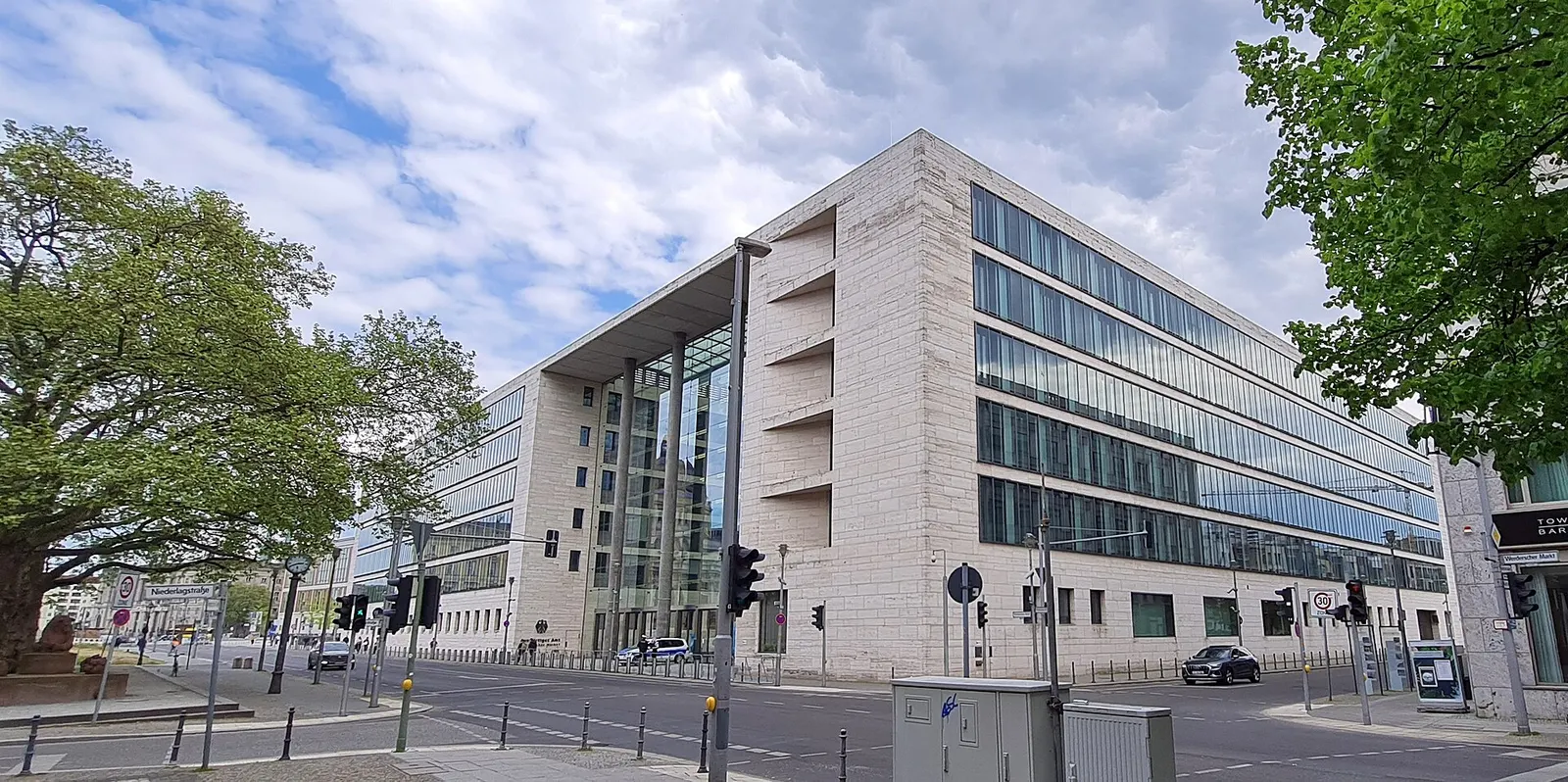
Why student visas are refused
A study visa must be granted when the conditions of § 16b of the Residence Act are met: admission to full-time study at a state or state-recognised institution plus the general conditions of § 5, which are secured living costs including health insurance, clarified identity, a valid passport and no interest in expulsion. The missions publish no refusal statistics for student visas, so no reliable refusal rate for Turkish applicants exists. The reasons that follow from the law are these:
| Ground | Legal basis | Typical cause | Fixable in a new application? |
|---|---|---|---|
| Living costs not secured | § 5 Abs. 1 Nr. 1 with § 2 Abs. 3 AufenthG | Blocked account below €992 per month, a sponsor's declaration without 'Bonität nachgewiesen' or older than 6 months, a partial scholarship presented as full proof | Yes, with corrected proof |
| No adequate health insurance | § 2 Abs. 3 AufenthG | Travel insurance where private cover for the whole visa period was required | Yes, with the right policy |
| No admission to full-time study | § 16b Abs. 1 AufenthG | Only an application confirmation, a conditional admission the office did not accept at its discretion, a part-time or distance programme | Yes, once you hold the right admission or choose the right visa |
| Doubts about the purpose of the stay | § 19f Abs. 4 Nr. 6 AufenthG | Evidence or concrete indications that the stay will be used for something other than study, for example an implausible study plan or contradictory documents | Possibly, with a consistent, documented file |
| Problems with the host institution | § 19f Abs. 4 Nr. 1 to 5 AufenthG | An institution founded mainly to facilitate entry, insolvent or inactive | Only with a different institution |
| Identity, passport or security | § 5 Abs. 1 Nr. 1a, 2 and 4 AufenthG | Unclear identity, an invalid passport, an interest in expulsion | Depends on the cause |
Read the notice closely: it states the main reasons, and that is the only authoritative explanation you will get: the missions no longer review refusals on request, and they do not answer remonstrations or status enquiries about them. If you held a blocked account, the refusal notice alone is enough to have the block lifted, which is covered in getting the money back.
- Refusal noticeAblehnungsbescheid
- The mission's written decision refusing a visa. It contains the main reasons and a binding instruction on remedies (Rechtsbehelfsbelehrung) naming the remedy, the competent court and the deadline. Without a correct instruction, the deadline for the remedy does not start, and the action remains admissible for one year (§ 58 VwGO).
Remonstration: what changed on 1 July 2025
A remonstration was an informal request to the mission to review its own refusal, free of charge and without a court. The missions in Türkiye state that since 1 July 2025 remonstrations against refusals in visa procedures are no longer possible: letters sent anyway have no legal effect and are not processed, no acknowledgements of receipt are sent and no status enquiries answered. Only remonstrations already received against refusals dated before that day are being finished. The Federal Foreign Office abolished the procedure worldwide, for Schengen and national visas alike, after a pilot that began on 1 June 2023; it calls remonstration a voluntary remedy that the law never provided for, and stresses that the statutory route to court is not shortened. Guides, templates and agencies still offering 'remonstration letters' are describing a procedure that no longer exists.
- RemonstrationRemonstration
- The former informal review of a visa refusal by the mission that issued it. Abolished for visa procedures with effect from 1 July 2025; the two remaining remedies are a new application and an action at the Administrative Court of Berlin.
Option 1: a new application
You may apply again at any time. The missions in Türkiye describe it plainly: a new application, normally with the fee again, in which you present all relevant documents and proofs afresh, and which is examined neutrally under the law as it stands. Nothing stops you from applying the week after a refusal, but a copy of the refused file will meet the same fate. A new application makes sense when the refusal names a condition you can now meet:
Identify the ground
Match the reasons in the notice to the table above. Where the reasoning is unclear, a lawyer or your university's international office can help you read it.
Fix the condition
Top up or replace the proof of funds, buy the correct insurance, obtain the unconditional admission, or add the documents that make your study plan coherent. The checklist is in German student visa documents.
Rebuild the file in the portal
Upload everything again, including documents that were fine the first time; the pre-check will flag gaps before the appointment.
Pay the fee again
€75 as a rule; iDATA's fees may apply again depending on the route.
Keep the semester in view
Ask your university about a later start or a deferral while the new application runs; timelines are in where and how to apply.
Option 2: an action at the Administrative Court of Berlin
Visa refusals by German missions are challenged at the Verwaltungsgericht Berlin: the refusal notice names it as the competent court, together with the deadline of 1 month from notification. The missions in Türkiye summarise the conditions:
| Point | Rule |
|---|---|
| Deadline | 1 month from notification of the refusal |
| Court | Verwaltungsgericht Berlin |
| Language | German (§ 184 Courts Constitution Act); documents in Turkish need translations |
| Lawyer | Optional; lawyers' fees come on top if you hire one |
| Value in dispute | Normally €5,000 per applicant; the court fee rises with the number of visas sought |
| Court fee | Currently about €480 for one applicant, set by the court and as a rule due in advance right after filing |
| Legal aid | Prozesskostenhilfe can be requested but is regularly granted only if the action has prospects of success |
| Duration | Set by the court; the missions say to expect several months |
| Urgent relief | Only under special conditions, with separate court fees |
The court examines whether the refusal was lawful; the mission can no longer be asked to review it informally. Because a study visa is an entitlement when the conditions are met, a lawsuit is the right tool when the mission applied the law wrongly, for example by treating a complete blocked account or a valid admission as insufficient, or by assuming a hidden purpose without evidence. It is the wrong tool when a condition really was missing, because the court cannot supply a document you did not have. Questions on costs are answered only by the court itself. Its leaflet on visa proceedings, linked from the missions' page, adds practical points: the statement of claim must be in German, name the parties with full addresses, give reasons and include a copy of the refusal; an ordinary e-mail is not a valid filing (post, fax or the electronic court mailbox with an electronic signature are); applicants living abroad should name an authorised recipient in Germany; and the court neither explains the refusal nor gives legal advice.
- Legal aidProzesskostenhilfe
- State support for court costs for people who cannot afford them, requested from the court. In visa cases it is regularly granted only if the action has prospects of success, so it does not turn a weak case into a free one.
New application or lawsuit? How to decide
| Your situation | Usually better | Why |
|---|---|---|
| A document was missing, wrong or expired | New application | The court cannot replace a missing proof; a complete file can succeed within the mission's own processing time |
| The mission misread a correct document, or applied a rule wrongly | Lawsuit, within 1 month | The condition was met; the question is lawfulness, which only the court decides |
| Refusal for an alleged hidden purpose that you can document away | Often both: file the action to keep the deadline, prepare a stronger new application | Take advice on whether the new file would not simply be refused on the same ground |
| The semester starts soon | New application | Several months of litigation rarely rescue the current semester |
| Repeated refusals on the same ground | Lawsuit, with a lawyer | A third identical application is unlikely to change the outcome |
Refusals by the immigration office in Germany
A refusal to issue or extend your residence permit comes from the Ausländerbehörde, not a mission, and follows general administrative law: an objection (Widerspruch) to the authority or, where the Land has dispensed with the objection procedure, an action at the local administrative court, within 1 month of notification (§§ 70, 74 VwGO). The decision's instruction on remedies tells you which applies. Two rules make speed essential. Objection and action have no suspensive effect against the refusal of a permit (§ 84 Abs. 1 AufenthG), so the refusal ends the protection your pending application gave you; but for the purpose of working, your old title counts as continuing while the deadline runs and during court proceedings on an urgent application (§ 84 Abs. 2). Typical grounds are insufficient study progress, a gap in insurance or means, or a late application; they are explained in renewing your student residence permit.
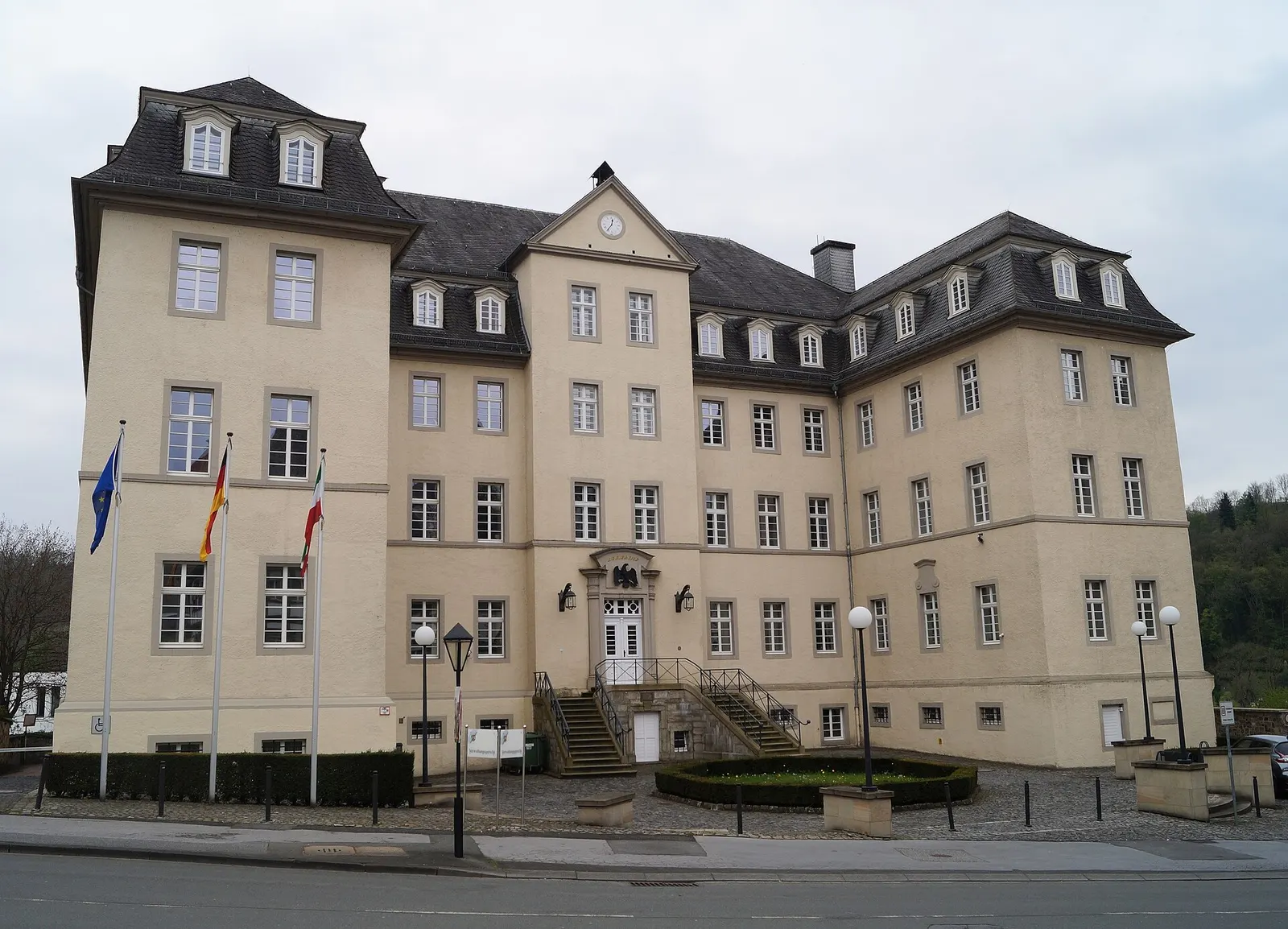
If the office simply does not decide, an action for failure to act is possible, normally only after 3 months (§ 75 VwGO); the court suspends it where the office has a sufficient reason. Before that point, a pending application made in time keeps your status alive, as the Fiktionsbescheinigung guide explains.
A refusal also has practical consequences that need handling quickly. If you hold a blocked account, ask the provider how to recover the money with the refusal letter. Tell your university if the semester start is at risk and ask whether it can hold your place or let you start later; see admission deadlines. If the refusal concerned your diploma or language level, check the Turkish diploma rules and language requirements before reapplying, and for Türkiye-specific logistics see applying from Türkiye.
In practice: after the refusal letter
- Do not send a remonstration. It has no effect since 1 July 2025 and wastes the weeks you need.
- Calendar the one-month deadline the day the notice reaches you, and keep the envelope or the portal notification as proof of the date.
- Release the blocked account with the refusal notice if you will not reapply soon; some provider fees are not refunded.
- Tell your university and ask about deferral options before the enrolment deadline passes.
- Do not pay for 'appeal services'. Only the court can overturn a refusal, and only a complete new file can succeed at the mission.
- Check the fee exemption if you have a scholarship from public funds: the new visa is then free (§ 52 Abs. 5 AufenthV).
Why applications go wrong in the first place, from stale proof of funds to inconsistent documents, is collected in common mistakes when moving to Germany.
Frequently asked questions
Why are German student visas refused?
Because a legal condition is not met: living costs not proven at €992 per month, no adequate health insurance, no admission to full-time study, doubts that study is the real purpose (§ 19f Abs. 4 AufenthG), or problems with identity, passport or the host institution. The refusal notice states the main reasons; the missions publish no refusal statistics.
How do I appeal a German visa refusal?
Since 1 July 2025 there is no remonstration. You can either apply again at any time, normally paying the fee again and submitting all documents afresh, or bring an action at the Administrative Court of Berlin within 1 month of notification of the refusal. The court fee is about €480 per applicant and is due in advance.
Is remonstration still possible for German visas?
No. The German missions state that since 1 July 2025 remonstrations against visa refusals have no legal effect, are not processed and are not answered; only those received against refusals dated before that day are being completed.
How long does a visa lawsuit in Berlin take and what does it cost?
The missions say to expect several months; the exact duration is set by the court. The court fee, based on a value in dispute of €5,000 per applicant, is currently about €480 and is normally payable right after filing; a lawyer is optional and charges separately; legal aid is granted only with prospects of success.
Should I reapply or sue after a German student visa refusal?
Reapply if the refusal names a condition you can now meet, such as a corrected proof of funds or the right insurance; sue within 1 month if the mission misjudged a condition you actually met. Both can run in parallel, and the court deadline is not extended by a new application.
Can I get my blocked account money back after a refusal?
Yes. The Federal Foreign Office states that after a refused national visa the refusal notice alone is sufficient to have the block lifted; send it to your provider. Set-up fees are usually not refunded.
Sources
20 sources, 19 official
- Was tun nach Ablehnung des Visumsantrages? (Remonstration seit 01.07.2025 abgeschafft)Deutsche Vertretungen in der Türkei (Auswärtiges Amt) (Official)
- Abschaffung des Remonstrationsverfahrens zum 1. Juli 2025Auswärtiges Amt (Official)
- Merkblatt Visa-VerfahrenVerwaltungsgericht Berlin (Official)
- National visas for non-Turkish citizens (long-term visas for stays of more than 90 days)German Missions in Türkiye (Federal Foreign Office) (Official)
- Aufenthaltsgesetz § 5 Allgemeine ErteilungsvoraussetzungenBundesministerium der Justiz / gesetze-im-internet.de (Official)
- Aufenthaltsgesetz § 2 Begriffsbestimmungen (Abs. 3: Sicherung des Lebensunterhalts; Abs. 9–12: Sprachniveaus)Bundesministerium der Justiz / gesetze-im-internet.de (Official)
- Aufenthaltsgesetz § 16b StudiumBundesministerium der Justiz / gesetze-im-internet.de (Official)
- Aufenthaltsgesetz § 19f Ablehnungsgründe bei Aufenthaltstiteln nach den §§ 16b, 16c, 16e, 16f, 17, 18d, 18e, 18f, 18g und 19eBundesministerium der Justiz / gesetze-im-internet.de (Official)
- Aufenthaltsgesetz § 84 Wirkungen von Widerspruch und KlageBundesministerium der Justiz / gesetze-im-internet.de (Official)
- Aufenthaltsverordnung § 46 Gebühren für das VisumBundesministerium der Justiz / gesetze-im-internet.de (Official)
- Aufenthaltsverordnung § 52 Befreiungen und ErmäßigungenBundesministerium der Justiz / gesetze-im-internet.de (Official)
- Verwaltungsgerichtsordnung § 58 RechtsbehelfsbelehrungBundesministerium der Justiz / gesetze-im-internet.de (Official)
- Verwaltungsgerichtsordnung § 68 VorverfahrenBundesministerium der Justiz / gesetze-im-internet.de (Official)
- Verwaltungsgerichtsordnung § 70 Form und Frist des WiderspruchsBundesministerium der Justiz / gesetze-im-internet.de (Official)
- Verwaltungsgerichtsordnung § 74 KlagefristBundesministerium der Justiz / gesetze-im-internet.de (Official)
- Verwaltungsgerichtsordnung § 75 UntätigkeitsklageBundesministerium der Justiz / gesetze-im-internet.de (Official)
- Ein Sperrkonto eröffnen und schließen (Artikel vom 21.10.2024)Auswärtiges Amt (Official)
- Häufig gestellte Fragen: Visum für Deutschland (FAQ, Stand 05.02.2024)Auswärtiges Amt (Official)
- Bilgi Notu / Merkblatt 25: Bloke Hesap / SperrkontoDeutsche Vertretungen in der Türkei (Auswärtiges Amt) (Official)
- Blocked Account GermanyFintiba GmbH (Institutional)