Germany's public transport works on two levels. Local and regional transport — buses, trams, U-Bahn, S-Bahn and regional trains (RE, RB) — is organised by regional transport associations, and since 2023 one nationwide subscription, the Deutschlandticket, covers all of it. Long-distance trains (ICE, IC, EC) are a separate market run mainly by Deutsche Bahn, with its own fares and railcards. For students the decisive question is whether your university has a contract for the Deutschlandsemesterticket, because then you already hold a nationwide local-transport ticket the day you enrol. This hub explains the tickets, the costs, the alternatives and where each detailed guide is. For the bigger picture, see the complete guide to studying in Germany.
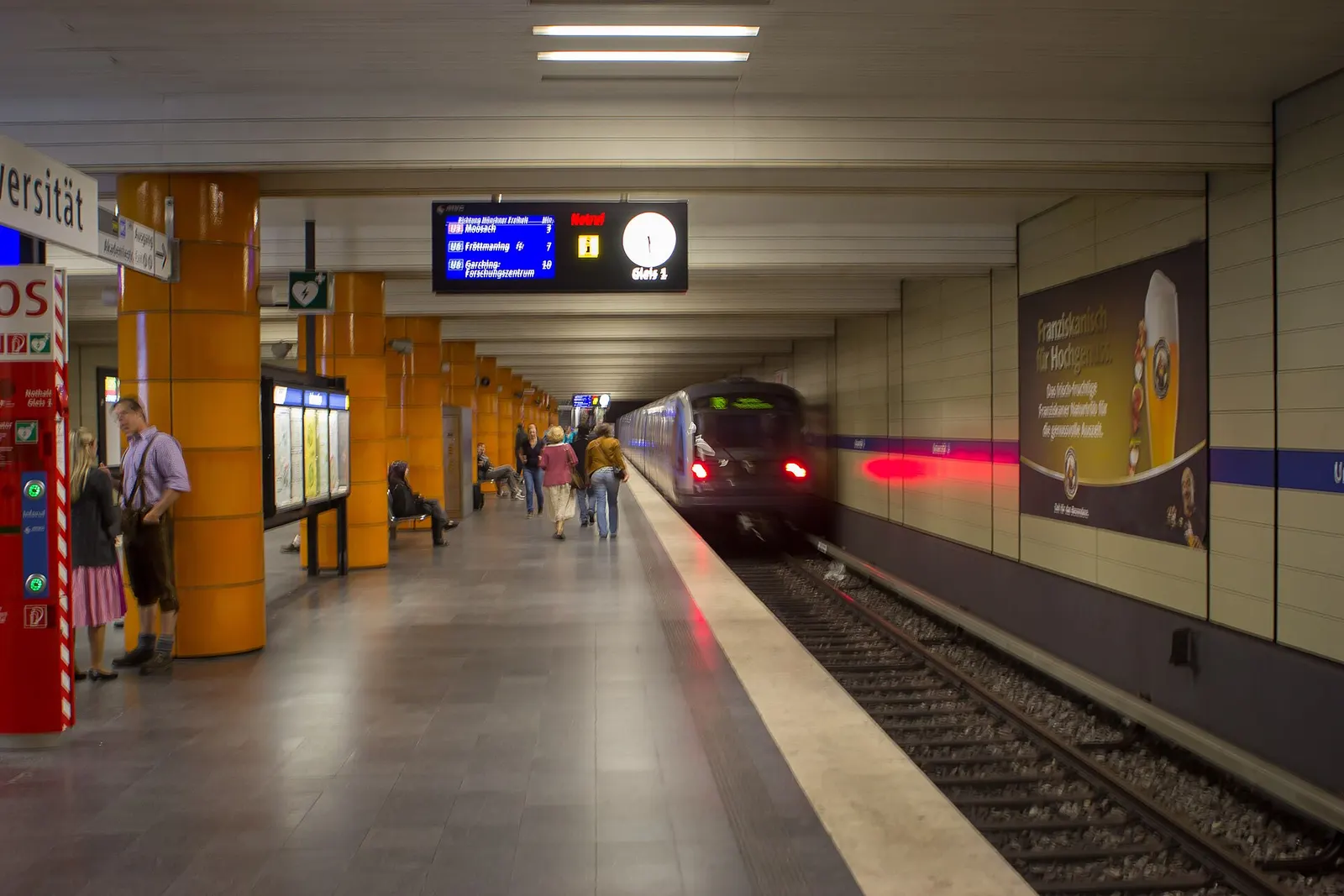
- DeutschlandticketDeutschlandticket (D-Ticket)
- A personal monthly subscription valid on all local and regional public transport in Germany, second class. It does not cover ICE, IC or EC trains apart from a few listed exceptions.
- DeutschlandsemesterticketDeutschlandsemesterticket
- The student version of the Deutschlandticket, sold only through a contract between a university or its student body and a transport operator, and paid by every enrolled student as part of the semester contribution.
- Local and long-distance transportNahverkehr / Fernverkehr
- Nahverkehr is local and regional transport, covered by the Deutschlandticket; Fernverkehr is long-distance rail (ICE, IC, EC), which needs a separate ticket.
The ticket options compared
Four ways of paying for local transport matter to students. Which one applies to you depends mostly on your university and your city.
| Ticket | Price | How you get it | Can you cancel? |
|---|---|---|---|
| Deutschlandsemesterticket | 60% of the Deutschlandticket; €226.80 per semester in winter semester 2026/27 | Automatically with the semester contribution, if your university has a contract | No: fixed for the semester; exemptions only under your university's contract |
| Deutschlandticket | €63 per month in 2026; €66.80 per month from January 2027 | Monthly subscription from any authorised seller (transport operators, Deutsche Bahn, apps) | Yes: by the 10th of a month, effective at the end of that month |
| Bavarian discounted ticket for students (Munich and Bavaria) | €43 per month in 2026 | Ordered each semester with proof of student status; in the Munich area only from MVG | Re-ordered every semester |
| Single tickets | For example €4 in Berlin (zones AB) and €4.10 in Hamburg (AB) | Machines and apps of the local operator | — |
The price of the semester ticket follows the Deutschlandticket with a lag: a semester is priced at the Deutschlandticket price that the tariff set for its months 8 months before the semester begins. That is why winter semester 2026/27 is priced from the 2026 Deutschlandticket, and why the 2027 student rate of €40.08 per month reaches semester fees only later — by that rule from winter semester 2027/28, as happened with the 2025 price rise, but check your university's fee page for the semester you enrol in. Everything about the student ticket, including refunds, is in the Deutschlandsemesterticket explained, and how it sits inside your fees in the semester contribution explained.
What the Deutschlandticket covers, and what it does not
- Covered: buses, trams, U-Bahn, S-Bahn and regional trains (RE, RB) throughout Germany, in second class.
- Not covered: ICE, IC and EC long-distance trains, apart from a few routes listed in the tariff.
- Personal: the ticket is not transferable, and you must carry official photo ID (passport or residence card) for ticket checks.
- No free companions over the age of 6; bikes and dogs need a ticket wherever the local tariff charges for them — DB's regional bike day ticket costs €7.50.
- A subscription: it starts on the 1st of a month and ends at the end of a month if you cancel by the 10th of a month, effective at the end of that month — so a single month is possible.
- Digital: the ticket lives in the seller's app or a wallet; the e-mailed subscription confirmation is not a ticket.
Munich and Bavaria: a different system
Munich's semester ticket is suspended, so students at Munich universities do not receive a ticket with their semester contribution. Instead, Bavaria subsidises a discounted Deutschlandticket for students, the Bayerisches Ermäßigungsticket, at €43 per month in 2026. In the Munich (MVV) area only MVG sells it; you prove your student status every semester and must re-order the subscription each semester. Its 2027 price had not been published when this guide was checked. Other Länder run their own discounted tickets for students and trainees with different rules, so check your region.
Long-distance travel: Deutsche Bahn fares and railcards
For trips between cities on ICE or IC trains you need a Deutsche Bahn ticket. Fares vary with demand: advance 'Super Sparpreis' tickets start at €6.99 (and €4.99 for the 'Young' version up to age 26 on selected routes), 'Sparpreis' tickets at €21.99 (€16.99 for Young), while the flexible 'Flexpreis' has no train binding. Railcards do not depend on student status but on age: the My BahnCard 25 costs €39.90 per year and the My BahnCard 50 €79.90 per year for travellers aged 6 to 26, against €62.90 per year and €244 per year for the regular cards. Both BahnCards give only 25% off saver fares.
My BahnCard or BahnCard: what a year costs
Deutsche Bahn railcards, 2nd class, € per year · 2026
Up to age 26 a My BahnCard 25 costs €39.90 a year and a My BahnCard 50 €79.90, against €62.90 and €244 for the regular cards.
- My BahnCard 25€39.90
- BahnCard 25€62.90
- My BahnCard 50€79.90
- BahnCard 50€244
| Item | Value |
|---|---|
| My BahnCard 25 | €39.90 |
| BahnCard 25 | €62.90 |
| My BahnCard 50 | €79.90 |
| BahnCard 50 | €244 |
My BahnCards are for travellers up to and including age 26. A BahnCard 25 takes 25% off long-distance fares; a BahnCard 50 takes 50% off Flexpreis and 25% off saver fares. Cancel in text form at least 4 weeks before the 12-month term ends.
Source: Deutsche Bahn. Last checked:
Image (PNG)Plan for delays. Only 60.1% of DB long-distance trains arrived on time by DB's own measure in 2025, and 52.4% in September 2026, while regional trains managed 88.2%. You are entitled to 25% of the fare back from 60 minutes of delay at your destination and 50% from 120 minutes. Which fare suits which trip, whether a BahnCard pays off and how to claim compensation are in train travel in Germany.
Cycling: the cheapest way across town
A bike costs nothing per trip, and cycle paths are part of daily life in most university towns. Treat the traffic rules seriously, because they are enforced with fines: riding through a red light costs €60, using a phone while cycling €55 and riding on a footpath €25. Theft is the other risk — the police recorded 214,264 bicycle thefts in 2025 — so a good lock matters as much as the bike. Buying second-hand without buying a stolen bike, locks, rules and taking bikes on trains are covered in cycling in Germany.
Driving, and why most students do without a car
Few students need a car: the semester ticket or Deutschlandticket covers daily travel, and long-distance trains connect the cities. If you do want to drive, know the licence rule. A Turkish or other non-EU licence remains valid in Germany for 6 months after you take up ordinary residence; the student exception that lets people keep a foreign licence for their whole degree covers only those arriving from another EU or EEA state. Türkiye is not on the list of countries whose licences convert without tests, so a Turkish licence cannot simply be exchanged: theory and practical test required, plus an eye test and a first-aid course; only the compulsory driving-school lessons are waived. Driving once those 6 months are over, without a German licence, is a criminal offence punishable by up to one year's imprisonment or a fine. The details, costs and steps are in driving in Germany with a Turkish licence.
Ticket checks: what happens if you are caught without a valid ticket
German local transport works on trust: there are usually no gates, but inspectors check tickets on board, often in plain clothes. If you cannot show a valid ticket, you pay an 'increased transport fare' (erhöhtes Beförderungsentgelt). On trams, trolleybuses and buses the federal ordinance caps it at €60, or twice the single fare if that is higher; rail operators set their own amount in their tariffs. Repeated fare dodging can also be prosecuted, which a non-EU student should avoid at all costs, since a criminal conviction can also affect residence matters.
| Situation | What happens | What to do |
|---|---|---|
| No ticket at all | Increased fare of up to €60 or more | Pay or accept the payment demand; do not argue the facts on the spot |
| Valid personal season ticket, but left at home or phone battery dead | Increased fare, reduced to €7 if you prove the ticket later | Take the notice to the operator's service centre within one week, with the ticket |
| Deutschlandticket without photo ID | The tariff requires official photo ID with the ticket, so the ticket may not be accepted | Always carry your passport or residence card with the digital ticket |
| Semester ticket not yet activated | You may be treated as travelling without a ticket | Activate the ticket in your university's app before the first ride |
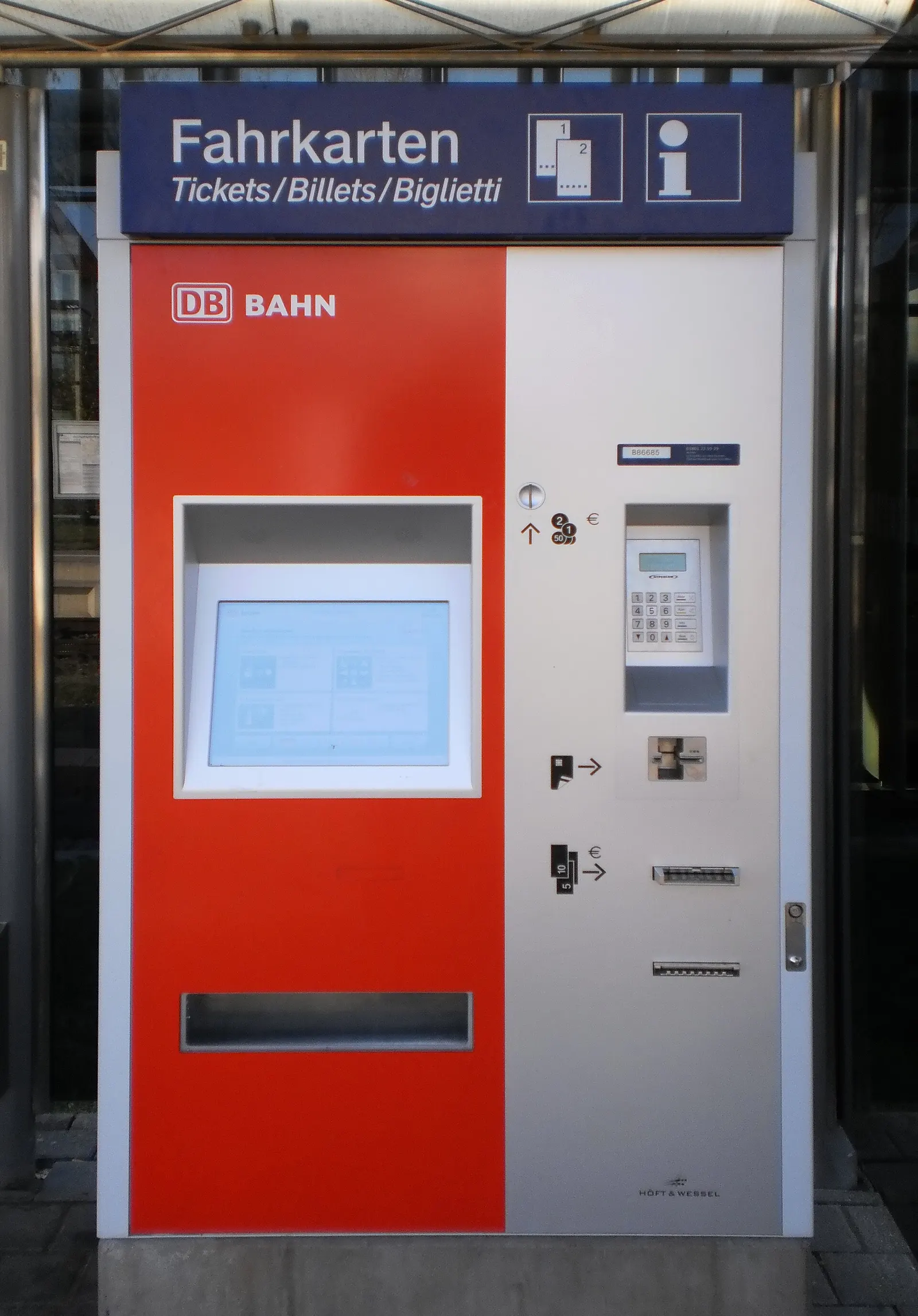
Is public transport in Germany expensive?
For students, rarely — if they have a semester ticket. Compare the options on a monthly basis:
| Option | Cost | Covers |
|---|---|---|
| Deutschlandsemesterticket | €226.80 per semester for winter semester 2026/27, paid with the semester contribution | All local and regional transport in Germany for the semester |
| Bavarian student ticket | €43 per month | All local and regional transport in Germany |
| Deutschlandticket | €63 per month | All local and regional transport in Germany |
| Single tickets in Berlin | €4 per trip in zones AB | One journey in one direction |
| Your own bike | No running cost beyond repairs and a lock | Your town, and regional trains with a bike ticket |
Long-distance travel is where costs add up: booking early, travelling with a railcard if you are 26 or younger, and comparing Sparpreis with Flexpreis make the difference. Your whole monthly budget is in monthly cost of living for students.
Transport is only one line in a student budget, and it interacts with others: where you rent decides how far you commute, and the city decides whether a ticket is already in your semester fee. Use choosing a city and costs by city together with this page, and plan the first trips after landing with your first 30 days. If you are counting every euro, a minijob or a scholarship matters more than any ticket choice.
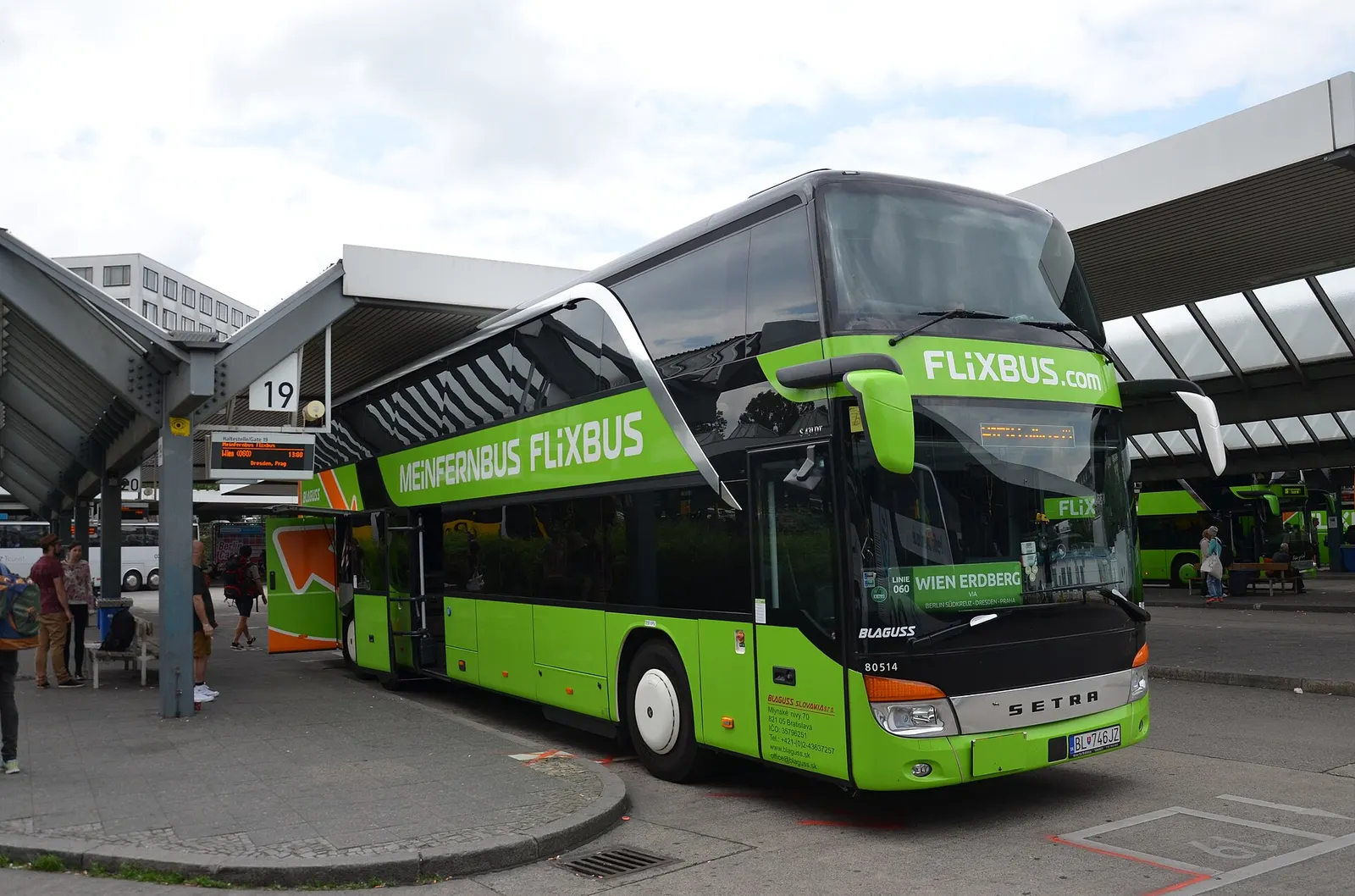
In practice: your first weeks on German transport
Arrival day
With a Deutschlandticket no extra ticket is needed for S-Bahn and regional trains from the main airports; without one, buy a single or day ticket from the local machine or app.
Before your semester starts
Subscribe to the Deutschlandticket for the month, from any authorised seller, and cancel by the 10th of a month, effective at the end of that month if your semester ticket will take over.
After enrolment
Activate your semester ticket as your university or student body instructs. In Bavaria, order the discounted student ticket from MVG (Munich area) or your local operator.
On every trip
Carry your passport or residence card: the Deutschlandticket is personal and checked against photo ID.
For the first trip home or to another city
Book DB long-distance tickets early, consider a My BahnCard if you are 26 or younger, and leave a buffer before flights or exams.
Frequently asked questions
How do students get around in Germany?
Mostly by public transport on a semester ticket: where a university has a contract, the Deutschlandsemesterticket is part of the semester contribution and covers all local and regional transport nationwide. Many students also cycle, and use Deutsche Bahn long-distance trains, which need separate tickets, for trips between cities.
Is public transport in Germany expensive?
Not with a student ticket: the Deutschlandsemesterticket costs 60% of the Deutschlandticket price, or €226.80 per semester for winter semester 2026/27. Without one, the Deutschlandticket costs €63 per month in 2026, while a single ticket in Berlin costs €4. Long-distance trains are priced separately.
Do students need a car in Germany?
Usually not: the semester ticket or Deutschlandticket covers daily travel and trains link the cities. If you want to drive on a Turkish or other non-EU licence, it is valid for only 6 months after you settle in Germany, and converting a Turkish licence requires the theory and practical tests.
Is the Deutschlandticket valid on ICE trains?
No. The Deutschlandticket and the Deutschlandsemesterticket cover local and regional transport in second class — buses, trams, U-Bahn, S-Bahn and regional trains — but not ICE, IC or EC trains, except for a few routes listed in the tariff.
Can I use my semester ticket in other cities?
Yes, if it is a Deutschlandsemesterticket: it is valid like the Deutschlandticket on local and regional transport throughout Germany, so you can use it on city transport and regional trains anywhere, as long as you carry photo ID.
What is the fine for riding without a ticket in Germany?
On trams, trolleybuses and buses the operator can charge an increased fare of up to €60, or twice the single fare if that is higher; rail operators set their own amounts. If you hold a valid personal season ticket but could not show it, the fee drops to €7 once you prove the ticket to the operator within a week. Repeated fare dodging can also be prosecuted.
Sources
24 sources, 23 official
- Tarifbedingungen für das Deutschland-Ticket der Deutschlandtarifverbund GmbH (Stand 15.06.2026)Deutschlandtarifverbund-GmbH (DTV) (Official)
- Deutschlandticket — Dein Ticket für Bus & Bahn in ganz DeutschlandDeutschlandticket.de (a listed Deutschlandticket seller) (Institutional)
- Preisanpassung bei Deutschlandticket — Index regelt neuen Deutschlandticket-Preis: ab 2027 66,80 Euro (Pressemitteilung Nr. 115/2026, 30 September 2026)Verkehrsministerkonferenz der Länder (issued by the Bavarian State Ministry for Housing, Construction and Transport as VMK chair) (Official)
- Wie viel kostet das Deutschland-Ticket ab 1. Januar 2027?Deutsche Bahn (bahn.de) (Official)
- Schriftliche Anfrage 19/22974: Aktueller Stand beim Deutschlandsemesterticket an den Berliner Hochschulen (answer of 1 July 2025)Abgeordnetenhaus Berlin / Senatsverwaltung für Mobilität, Verkehr, Klimaschutz und Umwelt (Official)
- Semesterbeitrag — Wintersemester 2026/2027Technische Universität Chemnitz, Studierendenservice (Official)
- ÖPNV für Studierende (früher: Semesterticket München)Studierendenwerk München Oberbayern (Official)
- BahnCards und Preise 2026Deutsche Bahn (bahn.de) (Official)
- My BahnCard 50 — für alle unter 27Deutsche Bahn (bahn.de) (Official)
- Super Sparpreis schon ab 6,99 EuroDeutsche Bahn (bahn.de) (Official)
- Günstiges Bahnticket: der Sparpreis ab 21,99 Euro (Stand: Oktober 2026)Deutsche Bahn (bahn.de) (Official)
- Deutsche Bahn: Schritt nach vorn bei Umsatz und operativem Ergebnis (Presseinformation, 27 March 2026)Deutsche Bahn AG (Official)
- Pünktlichkeitswerte (Erläuterung Pünktlichkeitswerte für den September 2026)Deutsche Bahn AG (Official)
- Welche Entschädigung erhalte ich, wenn mein Zug verspätet am Zielbahnhof ankommt?Deutsche Bahn (bahn.de) (Official)
- Bußgeldkatalog-Verordnung (BKatV), Anlage (Bußgeldkatalog), as last amended by Art. 4 V v. 12.8.2026 (BGBl. 2026 I Nr. 236)Bundesministerium der Justiz / gesetze-im-internet.de (Official)
- Diebstahl von ZweirädernPolizeiliche Kriminalprävention der Länder und des Bundes (ProPK), polizei-beratung.de (Official)
- Fahrerlaubnis-Verordnung (FeV) § 29 — Ausländische FahrerlaubnisseBundesministerium der Justiz / gesetze-im-internet.de (Official)
- Fahrerlaubnis-Verordnung (FeV) § 7 — Ordentlicher Wohnsitz im InlandBundesministerium der Justiz / gesetze-im-internet.de (Official)
- Fahrerlaubnis-Verordnung (FeV) § 31 and Anlage 11 (Staatenliste zu den Sonderbestimmungen für Inhaber einer ausländischen Fahrerlaubnis)Bundesministerium der Justiz / gesetze-im-internet.de (Official)
- Straßenverkehrsgesetz (StVG) § 21 — Fahren ohne FahrerlaubnisBundesministerium der Justiz / gesetze-im-internet.de (Official)
- Neue Fahrpreise im VBB ab 1. Januar 2026 (17 September 2025)Verkehrsverbund Berlin-Brandenburg (VBB) (Official)
- Gestiegene Energie- und Personalkosten erfordern moderate Tarifanpassung im hvv (Pressemitteilung, 22 September 2026)Hamburger Verkehrsverbund GmbH (hvv) (Official)
- Fahrradkarte: Ihr Fahrrad im ZugDeutsche Bahn (bahn.de) (Official)
- § 9 BefBedV – Erhöhtes BeförderungsentgeltBundesministerium der Justiz (gesetze-im-internet.de) (Official)