Money in Germany runs through bank accounts. Rent goes by standing order, health insurance and the broadcasting fee by direct debit, and wages and the blocked account's payouts into a current account. A non-EU student usually deals with two accounts: the blocked account opened from home for the visa, and an ordinary current account opened after arrival. This hub explains both, the choice of bank, money from Türkiye and the day-to-day mix of cash and card. The detailed guides are linked from each section, and the wider picture of studying in Germany starts at the Germany guide.

The two accounts a non-EU student needs
| Blocked account (Sperrkonto) | Current account (Girokonto) | |
|---|---|---|
| When you open it | Before the visa application, from abroad | After arrival, ideally in your first weeks |
| What it does | Holds €11,904 per year and releases €992 per month; it cannot pay rent or direct debits | Receives the payouts, wages and transfers; pays rent, insurance and bills; comes with a debit card |
| Who controls it | A beneficiary named in the account: the mission before the visa is used, the immigration office after entry | You |
| What it costs | €227–€277.80 in provider fees for twelve months | Free at some banks under conditions; DKB otherwise €4.50 per month |
- Blocked accountSperrkonto
- An account in Germany from which only a fixed amount can be withdrawn each month, used to prove a year's living costs for the visa. Turkish applicants usually call it the 'bloke hesap'. The money stays yours and is paid out month by month after arrival.
- Current accountGirokonto
- The everyday account with an IBAN, a debit card, transfers, standing orders and direct debits. Rent, insurance contributions, wages and the broadcasting fee normally move to or from such an account.
Blocked-account providers compared
The Federal Foreign Office leaves the choice of provider to you. It recommends none, accepts no liability if a provider fails, and deleted the list of known providers it published until mid-2022, so no official list exists. Fees always come on top of the blocked amount. The table compares what the providers state on their own pages.
| Expatrio | Fintiba | Coracle | |
|---|---|---|---|
| Set-up fee | €119 one-off | €159 one-off | Not on its public page |
| Monthly fee | €9 per month | €9.90 per month, from the day the money arrives | Not on its public page |
| Fees over twelve months | €227 | €277.80 | — |
| Approval | Within one business day | Opening takes a few minutes online | Within two hours |
| Funding | Bank transfer; blocking confirmation once the money arrives | Bank transfer (1–5 business days on average), its Flywire-based transfer (2–4 business days) or a credit card (instant confirmation) | Any bank or transfer method; local-currency transfers offered |
| Payouts after arrival | Its 'Value Package' includes a free Expatrio bank account connected to the blocked account | To a German current account you open and connect | To an account you name |
| If the visa is refused | Advertises a money-back guarantee | Blocked amount refunded minus opening and transfer fees | Not stated on the page read |
| What it is | A German company offering the account | A German company offering the account | Payment agent of the French payment institution Lemonway, not a bank |
Three cautions apply. First, check prices on the day you apply: some third-party guides still quote older, lower Expatrio fees, and Coracle shows no prices on its public page. Second, ask where the money is held. Money that a financial service provider holds in a trust collective account at a German bank is protected per depositor like an ordinary account, up to €100,000 per person and bank, but providers are structured differently. Third, closing early needs the beneficiary's consent. After a visa refusal, the refusal notice is enough. Otherwise the mission issues a certificate if you did not apply, withdrew the application, did not use the visa, or left the Schengen area before receiving your residence permit. Opening and funding the account step by step is covered in the blocked-account guide, and its cost in the cost of studying hub.
Choosing a current account
- Basic accountBasiskonto
- A current account with the standard functions that every bank offering accounts to consumers must provide to anyone lawfully resident in the EU who has no payment account in Germany. You must ask for it expressly as a Basiskonto. Its fees must be reasonable, and refusal is possible only on grounds set by law.
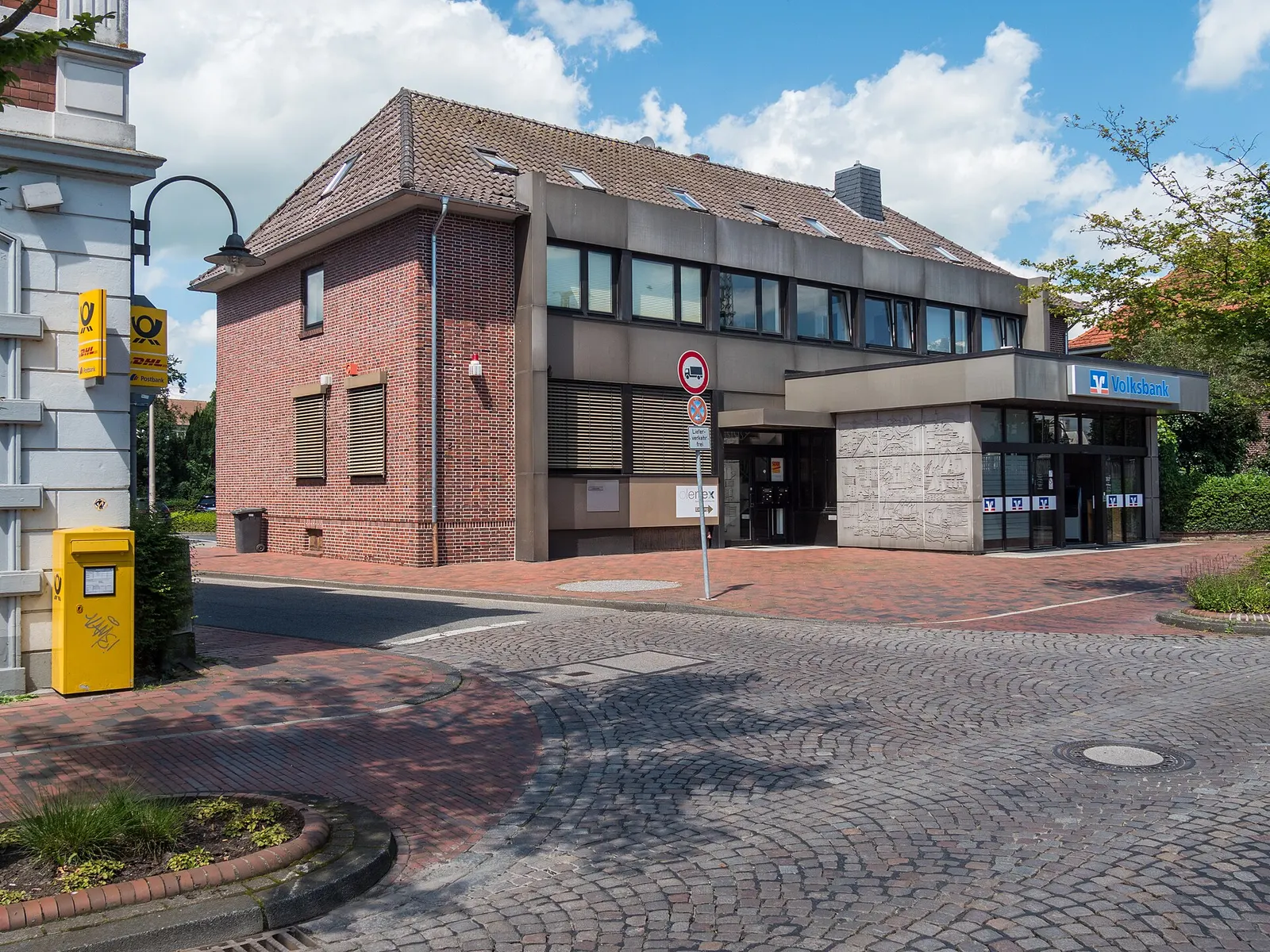
You do not need a German address registration or a tax ID to have a right to an account. Every consumer lawfully resident in the EU without a German payment account is entitled to a basic account (Basiskonto), and the bank must offer it within 10 business days of a complete application. A bank that lacks your tax ID must request it itself within 3 months. Beyond the legal floor, banks compete on conditions. The table shows the ones read on the banks' own pages.
| Bank | Monthly fee | Free if… | Cards and notes |
|---|---|---|---|
| N26 Standard | None | — | Virtual Mastercard debit free, physical card €10 one-off; 2 free ATM withdrawals a month in the euro area; its ID list accepts a Turkish passport from residents of Germany |
| DKB | €4.50 per month | You are under 28, or receive at least €700 per month | Visa debit card free; identification by video with an ID card or passport |
| ING | Not shown when conditions are unmet | You are under 28, or receive at least €1,000 per month | Visa debit card included; a girocard costs €1.49 per month |
| İşbank AG, Ziraat Bank International AG | Not read | — | German subsidiaries of Turkish banking groups with branches in Germany; see below |
For most students the deciding questions are practical. Does the bank accept your passport and residence document for identification? Is the account free at your age and income? Do you get a girocard, the card German shops use most? Documents, identification and the 'no account without an address' problem are dealt with in opening a bank account in Germany.
Turkish banks in Germany
Turkish banking groups also run German-licensed subsidiaries. Two that offer current accounts to private customers are İşbank AG and Ziraat Bank International AG. İşbank AG, headquartered in Frankfurt, offers a current account, a basic account and an online account, with identification by Postident (and video chat for its online products), and handles transfers to Türkiye. Its deposits fall under the statutory German deposit guarantee. Ziraat Bank International AG, also in Frankfurt and supervised by BaFin, has branches in Berlin, Duisburg, Frankfurt, Hamburg, Hannover, Cologne and Munich. Both are German banks under German rules. An account at a bank in Türkiye is not a substitute: rent and direct debits need a euro-area IBAN. Their prices were not read for this guide, so compare them with the online banks before you choose.
Money from Türkiye
Transfers from Türkiye are international SWIFT payments with three costs: the sending bank's fee, possible deductions by correspondent banks, and the exchange-rate margin. Yapı Kredi's own tariff, for example, charges 1,547.62 TL–3,033.33 TL for an online foreign-currency transfer but up to 12,380.95 TL at a branch, and up to 5% commission on lira sent abroad. Wise can still be used to send money from a Turkish bank account, but customers registered in Türkiye have been unable to top up from lira or get account details since 31 May 2023. The comparison, and how to fund a blocked account so that the full amount arrives, are in sending money to Germany.
Paying in Germany: cash and cards
Germany is turning cashless, slowly. In the Bundesbank's 2025 study, 55% of purchases were cashless, the first time more than half. Cash remained the single most used means of payment, at 45% of transactions. The girocard was by far the most used debit card, while many online banks issue only Visa or Mastercard debit cards. A cashless payment was possible at 86% of in-person purchases, so carry some cash. Card types, cash machines and where cards fail are explained in cash and cards in Germany.
Cash in Germany: still the most used way to pay
Bundesbank payment behaviour study, 2025
- Of payments made in cash
- 45%
- by number of transactions
- Of the money spent, paid in cash
- 23%
- Where cash worked
- 94%
- in-person purchases
- Where a card or phone worked
- 86%
- in-person purchases
Keep some cash on you: a card is not possible everywhere, and some places that take the girocard do not take Visa or Mastercard.
Source: Deutsche Bundesbank. Last checked:
Image (PNG)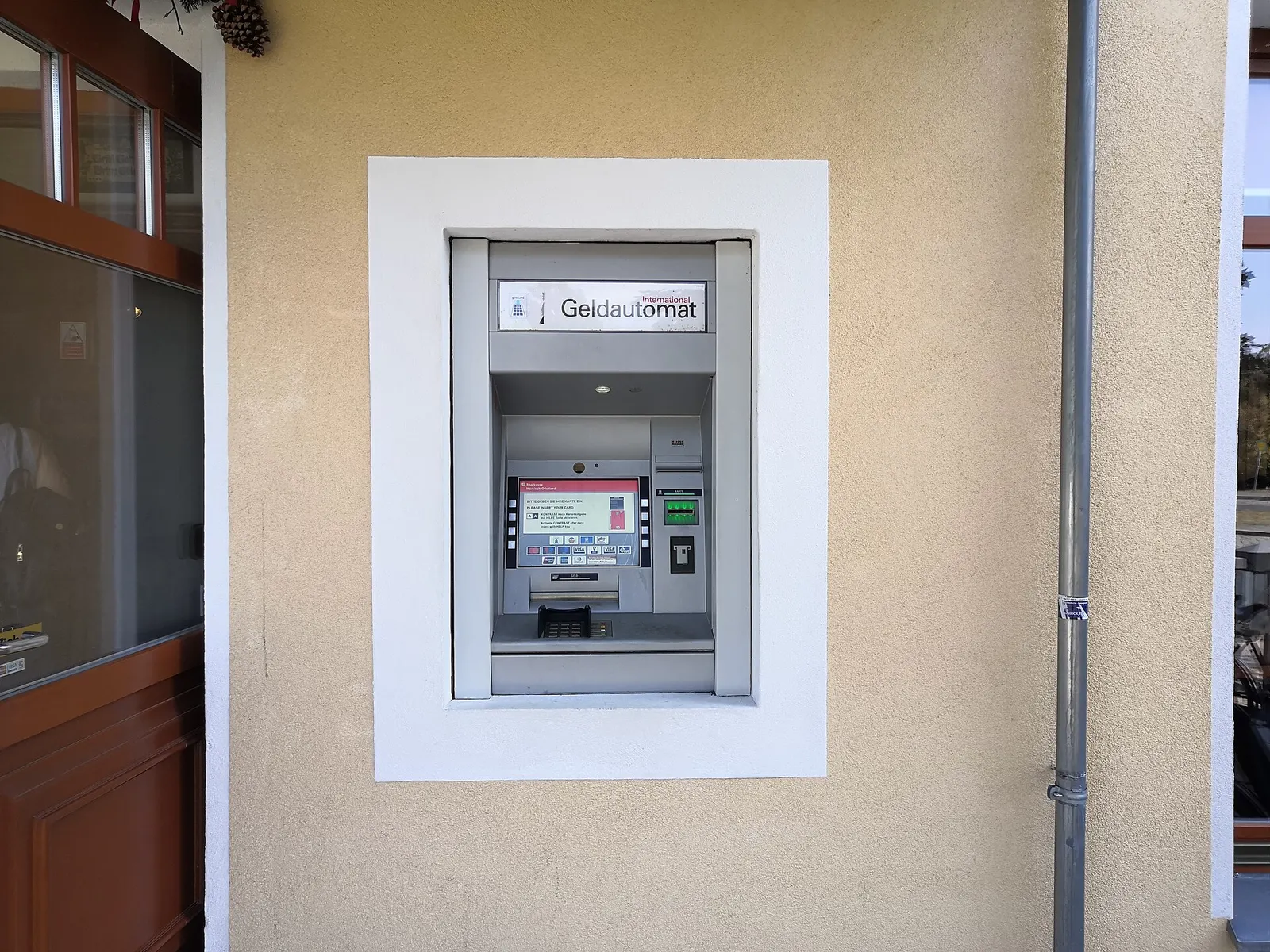
SCHUFA: your German credit record
SCHUFA is a private credit agency whose score banks, telecoms providers and landlords consult. Since 17 March 2026 it has used a score from 100 to 999 points, built from 12 criteria. A newcomer starts with no German history, which is not the same as a bad one. SCHUFA gives you a free copy of your data under the GDPR, and paying every bill on time is what keeps the record clean. See SCHUFA explained.
Safety nets and rules worth knowing
- Deposit guarantee: deposits at a German bank are protected up to €100,000 per person and bank by law and repaid within 7 working days if the bank fails.
- Instant transfers and payee check: since 9 October 2025, euro-area banks must offer instant euro transfers at no extra cost and check free of charge that the payee's name matches the IBAN. When paying a landlord, use the name exactly as on their account.
- Cash at the border: €10,000 or more in cash must be declared to customs when you enter from outside the EU, unprompted, and failing to declare can be fined up to €1,000,000. Never carry blocked-account money in cash. See customs rules on arrival.
- A basic account cannot be refused at will: a bank may refuse only on statutory grounds, and you can challenge a refusal free of charge at BaFin.
Money questions also run through other parts of this guide. The amount you must show for the visa is explained in financial proof, and what you will actually spend each month in the cost of living. Earning alongside your studies is covered under working as a student, and the most expensive money mistakes newcomers make, from unpaid final bills to deposit scams, are collected in common mistakes.
In practice: your money timeline
Before the visa application
Blocked account
Open the account with your chosen provider, then transfer €11,904 per year so that the full amount arrives. The provider issues the blocking confirmation for your visa file once it has.
First week in Germany
Current account
Open a current account and connect it to the blocked account, or activate the provider's own account. Monthly payouts start once the connection is confirmed.
First month
Regular payments
Set up a standing order for rent and direct debits for health insurance and the broadcasting fee. Keep some cash for places that do not take cards.
Later
Keep the record clean
Pay bills on time, check your free SCHUFA data copy once, and re-check your account's free conditions when you turn 28.
Frequently asked questions
Which bank is best for students in Germany?
There is no single best bank. Compare whether the account is free at your age and income, whether the bank accepts your passport and residence document for identification, and whether you get a girocard. N26 Standard has no account fee, while DKB and ING are free for everyone under 28.
Are there free bank accounts for students in Germany?
Yes. N26 Standard charges no account fee, and DKB and ING charge none for customers under 28 or with a minimum monthly income (€700 per month at DKB, €1,000 per month at ING). Extras such as a physical card or a girocard can cost money.
Do I need a German bank account as a student?
In practice, yes. The blocked account pays out only to a current account, and rent, health insurance and the broadcasting fee are normally paid by transfer or direct debit from a euro-area account. Every lawful resident has a right to a basic account.
Are there Turkish banks in Germany?
Yes. İşbank AG and Ziraat Bank International AG, for example, are German-licensed subsidiaries of Turkish banking groups, both based in Frankfurt with branches in several German cities. They offer current accounts under German banking rules; İşbank AG states that its deposits are covered by the statutory German deposit guarantee.
Can I open a German bank account before I arrive?
The blocked account is opened from abroad. Some providers bundle a current account with it; Expatrio's 'Value Package', for example, includes its own bank account for the payouts. Ordinary current accounts are designed for people living in Germany; N26's list of accepted ID documents, for example, is for customers resident there.
Is my money safe in a German bank?
Deposits at a German bank are protected by law up to €100,000 per person and bank and repaid within 7 working days if the bank fails. For a blocked account, ask the provider where the money is held, because providers are structured differently.
Sources
21 sources, 10 official
- Ein Sperrkonto eröffnen und schließenAuswärtiges Amt (Federal Foreign Office) (Official)
- FAQ: Wie kann ich bei der Beantragung eines Studentenvisums nachweisen, dass die Finanzierung des Studiums gesichert ist?Auswärtiges Amt (Federal Foreign Office) (Official)
- German Blocked Account for your VisaExpatrio Global Services GmbH (Institutional)
- Blocked Account GermanyFintiba GmbH (Institutional)
- German Blocked Account for International StudentsCoracle (Institutional)
- BasiskontoBundesanstalt für Finanzdienstleistungsaufsicht (BaFin) (Official)
- § 154 Abgabenordnung — KontenwahrheitBundesministerium der Justiz (gesetze-im-internet.de) (Official)
- N26 Standard – dein kostenloses GirokontoN26 Bank SE (Institutional)
- List of accepted ID documents for customers living in Germany (Date: May 2026)N26 Bank SE (Institutional)
- Kostenloses GirokontoDeutsche Kreditbank AG (DKB) (Institutional)
- Kostenloses GirokontoING-DiBa AG (Institutional)
- Consumer Banking — İşbank AGİşbank AG (Frankfurt am Main) (Institutional)
- Impressum — Ziraat Bank International AGZiraat Bank International AG (Institutional)
- Bireysel Ürün ve Hizmet ÜcretleriYapı ve Kredi Bankası (Institutional)
- Restrictions for customers based in TürkiyeWise (Institutional)
- Bargeldlos im Trend — Zahlungsverhalten in Deutschland 2025 (Pressemitteilung, Juni 2026)Deutsche Bundesbank (Official)
- Neuer Schufa-Score: Die wichtigsten InfosVerbraucherzentrale (Bundesverband / Verbraucherzentralen der Länder) (Official)
- Einlagensicherung und AnlegerentschädigungBundesanstalt für Finanzdienstleistungsaufsicht (BaFin) (Official)
- Entschädigungseinrichtung deutscher Banken (EdB)Entschädigungseinrichtung deutscher Banken GmbH (statutory scheme for private banks) (Official)
- New EU rules make instant euro payments faster and saferEuropean Commission (DG Financial Stability, Financial Services and Capital Markets Union) (Official)
- Anmelde- und Anzeigepflicht beim Grenzübertritt aus oder in Nicht-EU-StaatenGeneralzolldirektion (zoll.de) (Official)