The foundation scholarships are the most generous awards an international student can win after arriving in Germany. FES, KAS and the Heinrich-Böll-Stiftung all pay non-EU students a fixed €992 per month without testing parental income, plus health insurance and, at most of them, a family supplement, and they add something money cannot buy: seminars, summer academies and a network that lasts beyond the degree. The price of entry is high, though. Almost all of them want you enrolled at a German university, fluent enough in German to take part in a German-language programme, and able to show engagement beyond good grades. For how these awards compare with DAAD, the Deutschlandstipendium and funding from Türkiye, see scholarships in Germany for international students.
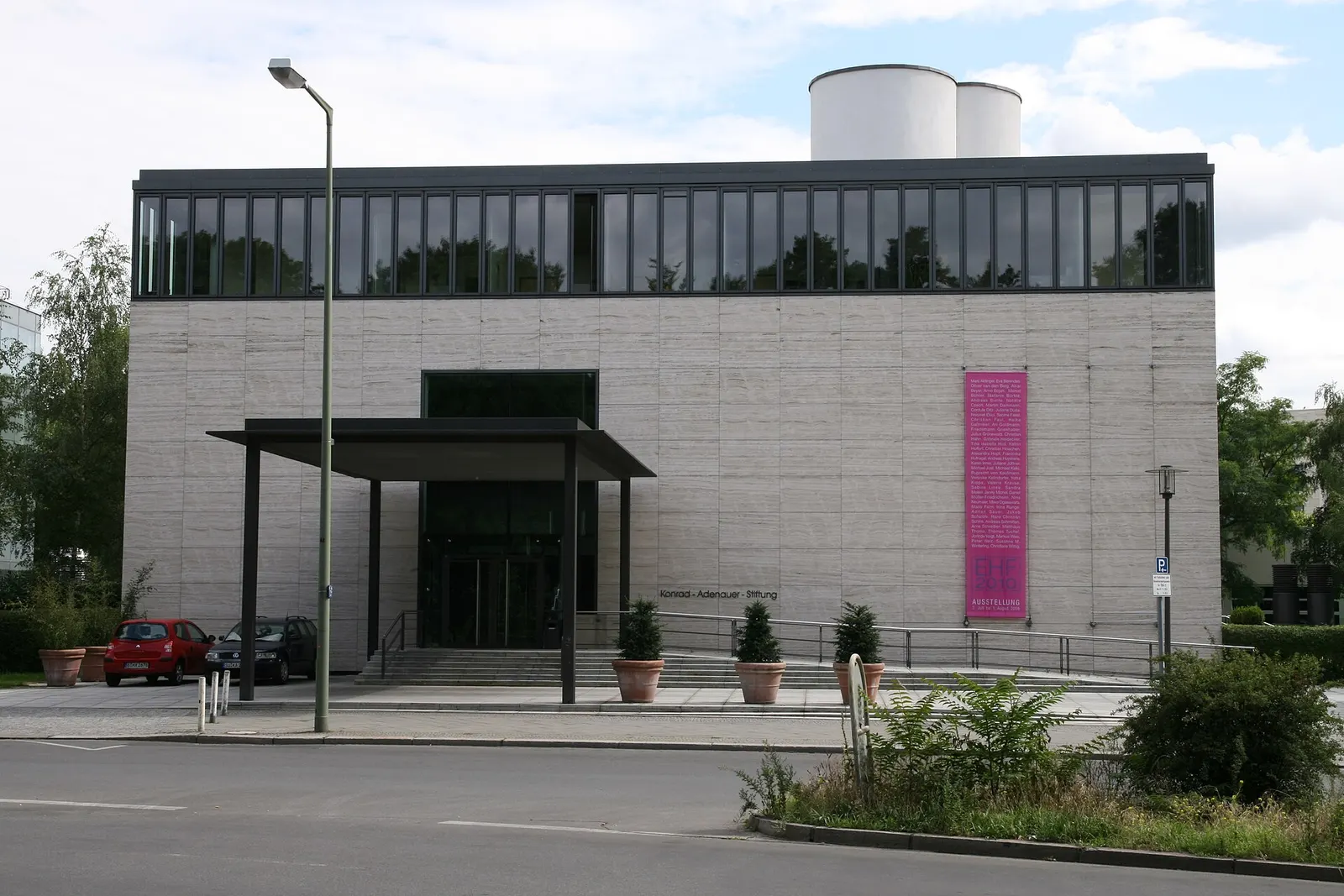
- BegabtenförderungswerkBegabtenförderungswerk
- One of the 13 merit-scholarship foundations funded by the Federal Ministry of Research, Technology and Space (BMFTR). They include the non-partisan Studienstiftung, six foundations close to political parties, and foundations of the Protestant and Catholic churches, the Jewish community and Muslims.
- Non-material supportideelle Förderung
- The seminars, summer academies, mentoring and networking each foundation runs alongside the money. FES expects a very good command of German and applications in German, Naumann holds its interview in German and KAS expects German at B2, so plan on doing this part of the scholarship in German.
Two money streams: why the amount depends on where you went to school
- BildungsausländerBildungsausländer
- A foreign student who gained the university entrance qualification abroad or at a German Studienkolleg — almost every student who comes from Türkiye to study. The opposite, a Bildungsinländer, went to school in Germany or at a German school abroad, and is funded like a German student.
Each foundation pays from two budgets. Germans, EU citizens and Bildungsinländer (foreign nationals with a German school-leaving qualification) are funded with BMFTR money on a BAföG-like, income-tested basis. Non-EU international students are normally funded from Federal Foreign Office money at fixed rates. If you came to Germany with a Turkish lise diploma, you are in the second group, and the fixed figure is the one that applies to you.
What a scholarship pays a month
Monthly amount for a master's-level student, € · 2026
For a master's-level student, a Jean Monnet scholarship pays €1,450 a month in Germany and an Erasmus Mundus Joint Master €1,400; DAAD and the foundations' Foreign Office programmes pay €992, Avicenna at most €844 and the Deutschlandstipendium €300.
- Jean Monnet (from Türkiye)€1,450
- Erasmus Mundus€1,400
- DAAD master's scholarship€992
- FES, KAS, Böll grants€992
- Avicenna (maximum)€844
- Deutschlandstipendium€300
| Item | Value |
|---|---|
| Jean Monnet (from Türkiye) | €1,450 |
| Erasmus Mundus | €1,400 |
| DAAD master's scholarship | €992 |
| FES, KAS, Böll grants | €992 |
| Avicenna (maximum) | €844 |
| Deutschlandstipendium | €300 |
Avicenna: the income-tested maximum. Erasmus Mundus: a unit cost that also covers travel, visa and installation. Jean Monnet is a programme for Turkish citizens and also pays tuition up to €22,000. Most awards are competitive and partial; the visa asks for €992 per month.
Source: T.C. Dışişleri Bakanlığı Avrupa Birliği Başkanlığı, European Commission, DAAD +9 more. Last checked:
Image (PNG)| Stream | Who | Students | Doctoral candidates |
|---|---|---|---|
| BMFTR | Germans, EU citizens, Bildungsinländer | €300 per month study-cost allowance plus an income-tested living stipend of €855 per month at most | €1,750 per month at Böll, plus a research-cost allowance |
| Federal Foreign Office | Non-EU international students (Bildungsausländer) | €992 per month, fixed, at FES, KAS and Böll | €1,500 per month at FES and Böll; €1,400 per month at KAS |
On top of the base rate, KAS, Böll, Avicenna and Naumann pay a family supplement of €276 per month, for example for a spouse living with you in Germany, and the programmes cover or subsidise health insurance. FES's English page names the same supplement, but its German FAQ says there is no family supplement, only a childcare allowance per child, so ask FES before you count on it. FES lets its international holders earn up to €520 gross per month without a deduction, according to its German FAQ; its English page still gives an older, lower figure. Studying in Germany with a partner or children covers the residence side of bringing family.
The political foundations, one by one
Six foundations are close to political parties. DAAD states that applicants are not expected to be party members but should support the foundation's purposes and aims, and selection criteria such as HSS's include agreement with the foundation's goals. The table gives what each foundation states for international applicants, read on its own site.
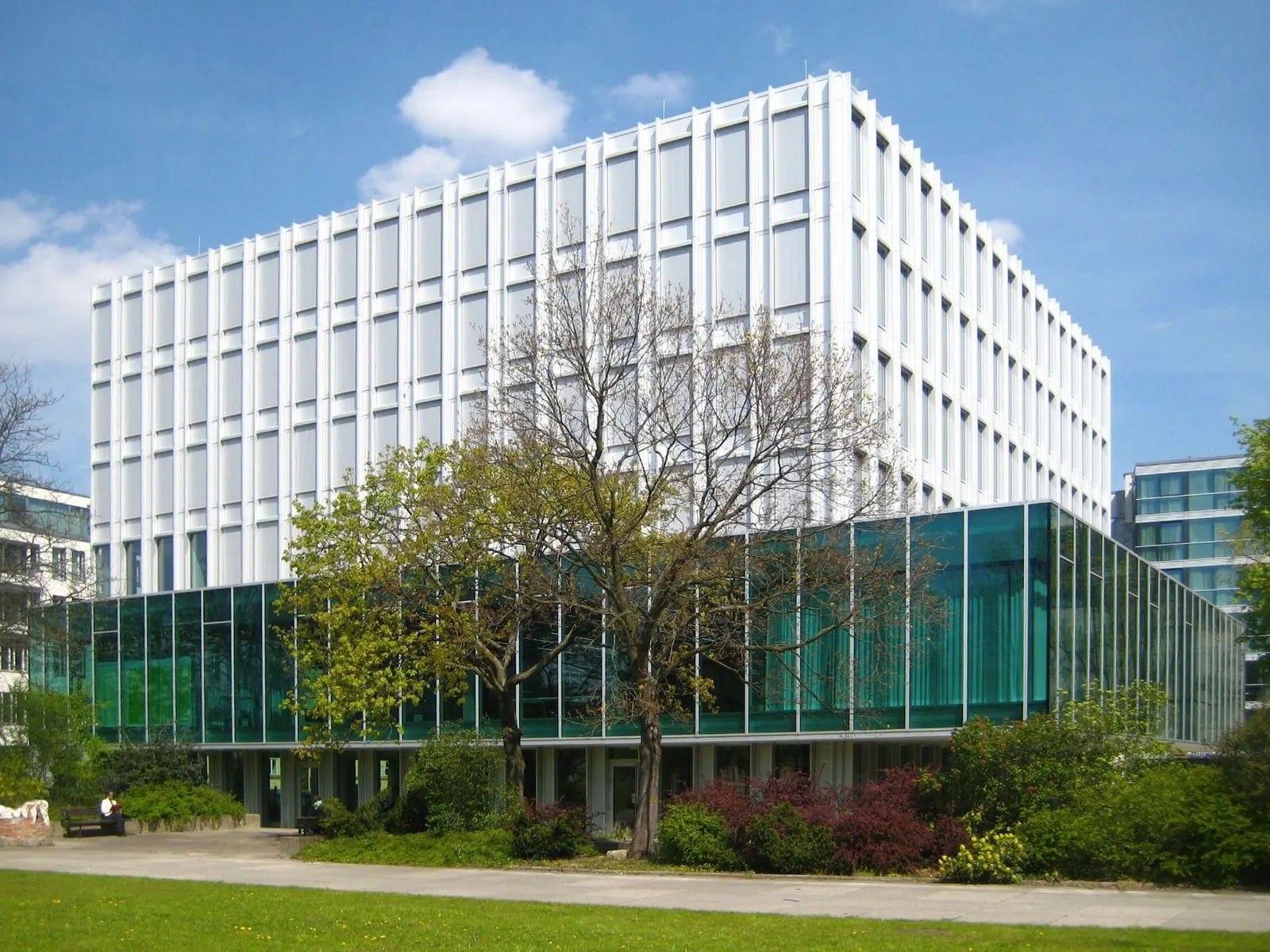
| Foundation | Conditions for international applicants | Monthly amount | Deadline |
|---|---|---|---|
| Friedrich-Ebert-Stiftung (FES) | already studying in Germany when applying; proven German skills; first graded results for bachelor's students; master's applicants by the end of their first semester; no programmes shorter than 3 semesters, no part-time study, no final phases; bachelor's students apply at least 3 semesters before the end of the standard period | €992 per month; doctoral €1,500 per month | Given in each programme description |
| Konrad-Adenauer-Stiftung (KAS) | Mainly non-EU nationals; bachelor's students after completing the second bachelor's semester; funding for at least 4 semesters; German at B2 at the start of studies; no age limit; human and dental medicine excluded | €992 per month for 2 years; doctoral €1,400 per month for 3 years | 15 July, 12:00 (each year) for applicants in Germany |
| Heinrich-Böll-Stiftung | Students and doctoral candidates of all subjects at universities in Germany and abroad; international holders funded by the Foreign Office | €992 per month; doctoral €1,500 per month | 1 March and 1 September (portal opens 15 January and 15 July) |
| Friedrich-Naumann-Stiftung für die Freiheit | a full-time master's or doctorate in Germany (no bachelor's); not more than 15 months in Germany before funding starts, stays for research or study excepted; application documents and interview in German | €992 per month; doctoral €1,500 per month at most | 1–30 April and 1–31 October (23:59), through the online portal only |
| Hanns-Seidel-Stiftung (HSS) | under 45; German at least B2; full-time study at a state or state-recognised university in Germany (doctoral candidates: admitted by a German university or research institution); apply through the HSS office in your home country, or online where there is none | Not published for international holders | 15 November 2026 – 31 January 2027 and 15 May – 15 July 2027 (12:00 noon German time) |
| Rosa-Luxemburg-Stiftung | Study scholarships for international master's students enrolled at a German university who live in Germany and plan to return home; German at B2 or above counts in selection. Doctoral scholarships for foreign candidates accepted by a German university, except medicine, dentistry and veterinary medicine | Based on BAföG rules; no figure published | 1 October (for funding from 1 April of the following year) |
Two of these can be approached before you move. KAS applicants abroad can apply only through the KAS country offices that run their own selection in a given year; the offices named for 2026 were in Buenos Aires and Nairobi, not in Türkiye. The Naumann foundation, by contrast, funds master's and doctoral students and counts only time in Germany spent for purposes other than study or research towards its limit, and HSS asks international applicants to apply through its office in their home country, or online where it has none. FES, on the other hand, states plainly that you must already be studying in Germany when you apply.
The Studienstiftung: open in principle, but a different stream
The Studienstiftung des deutschen Volkes, the largest and the only non-partisan, non-denominational foundation, is open to applicants without German citizenship who meet the formal requirements; most are nominated by their school or university, first- and second-semester students can also self-apply with an aptitude test. It pays from the BMFTR stream: a €300 monthly study-cost allowance and an income-tested stipend. Whether a non-EU holder on a study permit receives the income-tested part, or only the allowance, is not stated on its pages, so ask before you count on it.
Church and faith foundations
The denominational foundations generally require membership of the faith they serve, and two of the three Christian ones also tie eligibility to BAföG, which shuts out most students on a study permit. For Turkish applicants the realistic one is Avicenna.
| Foundation | Faith | International applicants | Money and dates |
|---|---|---|---|
| Avicenna-Studienwerk — International Scholarship Programme | Muslim | International Muslim master's and doctoral students; excluded are Bildungsinländer, bachelor's, part-time and state-examination programmes. Documents in German or English | €844 per month at most (master's), €1,275 per month at most (doctoral), income-tested; last window 1 March – 15 April 2026 (for funding from 1 October 2026) |
| Cusanuswerk | Catholic | Catholic applicants who qualify for BAföG under § 8(1)–(3) (as a rule Bildungsinländer and people with permanent residence), with German at C1; international doctoral candidates from developing and emerging countries are referred to KAAD first | — |
| Evangelisches Studienwerk Villigst | Protestant | EU citizens, or others who qualify for BAföG under § 8; membership of a Protestant church (exceptions possible); good German shown by DSH or TestDaF; already studying, or starting at the next possible date | 15 January (for the winter semester) and 15 July (for the summer semester), midnight |
| ELES (Ernst Ludwig Ehrlich Studienwerk) | Jewish | Jewish students and doctoral candidates; a separate Global Jewish Leadership programme invites Jewish students from around the world to study in Germany | See ELES |
| KAAD (Catholic Academic Exchange Service) | Catholic; in the Middle East any Christian denomination | graduates with work experience from partner countries, applying through KAAD's partner committees; Catholic (in the Middle East: any Christian denomination) or nominated for interreligious dialogue; German at least B1 (A2 for English-taught programmes); applications from other countries only in exceptional cases | Through KAAD's partner committees |
Avicenna: the programme built for international Muslim students
Avicenna's International Scholarship Programme (ISP) is funded by the Federal Foreign Office and run with the Islamkolleg Deutschland. It is designed specifically for international Muslim students, and it differs from the political foundations in two practical ways: documents may be in German or English, and the stipend is income-tested, so €844 per month at most is a ceiling rather than a flat rate. Health-insurance and mobility allowances and the €276 family supplement come on top. The ISP funds the standard period of a master's and, separately, doctorates; bachelor's students, part-time students and state-examination subjects such as medicine are excluded.
In practice: a foundation calendar for 2027
15 November 2026 – 31 January 2027 and 15 May – 15 July 2027 (12:00 noon German time)
Hanns-Seidel-Stiftung
Referees get extra time to submit their reports after each closing date.
1 March and 1 September (portal opens 15 January and 15 July)
Heinrich-Böll-Stiftung
Spring and autumn rounds through Böll's online portal.
1 March – 15 April 2026 (for funding from 1 October 2026)
Avicenna ISP (2026 window)
Expect a spring window in 2027 too; the dates were not yet published.
1–30 April and 1–31 October (23:59), through the online portal only
Friedrich-Naumann-Stiftung
Online portal only; the interview is in German.
15 July, 12:00 (each year)
Konrad-Adenauer-Stiftung (applicants in Germany)
Through the KAS Campus portal.
1 October (for funding from 1 April of the following year)
Rosa-Luxemburg-Stiftung
Study and doctoral scholarships.
Programme by programme
Friedrich-Ebert-Stiftung
Deadlines are given in each programme description; master's students must apply by the end of their first semester.
For a student arriving from Türkiye, the realistic sequence is: arrive and enrol, collect the first graded results, bring your German to the level the foundation expects, then apply — for master's students often within the first semester (FES requires it), for bachelor's students from the second or third. Expect written documents, references and an interview; at Naumann, for example, the interview is in German. Use the time before you leave to start German seriously: do you need German to live in Germany? and the TestDaF and DSH requirements explain the levels and certificates.
Prepare before the window opens (each call lists its exact documents)
- Proof of enrolment, or of admission where the foundation accepts applicants who are about to start
- Transcripts of your Turkish degree and your first German results, with certified translations where the call asks for them
- A CV and a motivation statement explaining why this foundation's aims are yours
- Reference letters from professors, requested well before the deadline
- A recent German certificate (DSH or TestDaF, or the level the call names)
- Evidence of engagement: volunteering, student societies, political or community work, family responsibilities
In practice: reading a foundation's criteria as a Turkish applicant
| The call says | What it means for you |
|---|---|
| "Ausländische Studierende" or "Nicht-EU" | You. These programmes pay the fixed Foreign Office rates. |
| "Voraussetzungen nach § 8 BAföG" | Not you on a study permit alone: this wording is how the Cusanuswerk and Villigst exclude most international students. |
| "Mindestförderdauer" or a minimum number of semesters | A short master's may be excluded: KAS needs at least 4 semesters of funding, FES excludes programmes shorter than 3 semesters. |
| "Deutschkenntnisse" | Proof is usually a DSH or TestDaF result. KAS notes that most of its fellows pass the DSH before starting or hold a high TestDaF score. |
| "Gesellschaftliches Engagement" | Documented volunteering, student-society or political work, or family responsibilities. Bring certificates, translated where needed. |
| "Aufenthalt in Deutschland" | At Naumann, time spent in Germany for study or research does not count towards its limit; DAAD counts all time in Germany. |
| "Doppelförderung ausgeschlossen" | One award at a time. HSS, for example, excludes double funding with BAföG or other public funds, and a foundation award also rules out a Deutschlandstipendium. |
Foundation scholarships are applied for once you are enrolled or admitted, so plan them alongside DAAD scholarships, the Deutschlandstipendium and full funding. Selection weighs grades, so see the grading system; and keep the proof of means in mind until an award arrives.
Frequently asked questions
Can international students apply for German foundation scholarships?
Yes. FES, KAS, Böll, Naumann, HSS and the Rosa-Luxemburg-Stiftung all run programmes for international students, mostly funded by the Federal Foreign Office at €992 per month for students. Most of them expect you to be enrolled in Germany and to speak good German. Avicenna runs a programme for international Muslim master's and doctoral students.
What are the Heinrich Böll scholarship requirements?
Böll funds students and doctoral candidates of all subjects at universities in Germany and abroad, with international (non-EU) holders paid from Foreign Office money at €992 per month or €1,500 per month for a doctorate. There are two rounds a year, 1 March and 1 September (portal opens 15 January and 15 July). Böll's application FAQ sets out the detailed conditions, including language, so read it before you start.
How much does a German foundation scholarship pay?
For non-EU international students at FES, KAS and Böll, €992 per month (Naumann states the same €992); for doctoral candidates €1,500 per month at FES and Böll and €1,400 per month at KAS. Health insurance comes on top, and at KAS, Böll and Naumann a €276 family supplement where it applies. Avicenna's international programme is income-tested, up to €844 per month at most for master's students.
Do I have to be a party member to get a political foundation scholarship?
No. DAAD states that applicants are not expected to be members of the party a foundation is close to, but they should support its purposes and aims. Your application should show engagement that fits those aims.
Is there a foundation scholarship for Muslim students in Germany?
Yes: the Avicenna-Studienwerk. Its International Scholarship Programme funds international Muslim master's and doctoral students and accepts documents in German or English. The most recent window was 1 March – 15 April 2026 (for funding from 1 October 2026).
Can I apply for a foundation scholarship from Türkiye before I move?
Mostly not. FES requires you to be studying in Germany already, and KAS takes applicants abroad only through country offices that run their own selection, none of which was in Türkiye in 2026. The exceptions are the Naumann foundation for master's and doctoral applicants, whose limit on time in Germany ignores stays for study, and HSS, which takes international applications through its offices abroad or online.
Sources
22 sources, all official
- Stipendium Plus – gemeinsame Website der 13 BegabtenförderungswerkeDie 13 Begabtenförderungswerke (funded by the BMFTR) (Official)
- Funding Options (Deutschlandstipendium, Begabtenförderungswerke, Erasmus+)DAAD (Official)
- Scholarship – Information in EnglishFriedrich-Ebert-Stiftung (FES) (Official)
- FAQ: Finanzielle Förderung und NebenverdienstFriedrich-Ebert-Stiftung (FES) (Official)
- Internationale Nachwuchsförderung (scholarships for international students and doctoral candidates)Konrad-Adenauer-Stiftung (KAS) (Official)
- Finanzielle Förderung (Studienwerk der Heinrich-Böll-Stiftung)Heinrich-Böll-Stiftung (Official)
- Stipendien – Studienwerk der Heinrich-Böll-Stiftung (application periods)Heinrich-Böll-Stiftung (Official)
- Stipendien – FAQ (including 'Ausländische Bewerber Nicht EU')Friedrich-Naumann-Stiftung für die Freiheit (Official)
- Stipendium – Bewerbungszeiträume (categories include 'Internationale Studierende und Promovierende')Hanns-Seidel-Stiftung (Official)
- Wen suchen wir? (Förderung internationaler Studierender; Promotionen internationaler Promovenden)Hanns-Seidel-Stiftung (Official)
- StipendienbewerbungRosa-Luxemburg-Stiftung (Official)
- Scholarship Department (Studienwerk) – study and doctoral scholarshipsRosa-Luxemburg-Stiftung (Official)
- Finanzielle FörderungStudienstiftung des deutschen Volkes (Official)
- FAQs – Bewerbung und AuswahlStudienstiftung des deutschen Volkes (Official)
- Internationales Stipendienprogramm (ISP)Avicenna-Studienwerk (Official)
- Avicenna-Studienwerk – StartseiteAvicenna-Studienwerk (Official)
- Ausländische Bewerber/-innenCusanuswerk (Official)
- Evangelisches Studienwerk Villigst – English (eligibility and application)Evangelisches Studienwerk Villigst (Official)
- ELES – Ernst Ludwig Ehrlich Studienwerk (Startseite)Ernst Ludwig Ehrlich Studienwerk (ELES) (Official)
- Stipendienprogramm 1Katholischer Akademischer Ausländer-Dienst (KAAD) (Official)
- Der KAAD im Nahen und Mittleren OstenKatholischer Akademischer Ausländer-Dienst (KAAD) (Official)
- Gesetz zur Schaffung eines nationalen Stipendienprogramms (Stipendienprogramm-Gesetz – StipG)Bundesministerium der Justiz / gesetze-im-internet.de (Official)