The question has two honest answers. For the degree: often no, if you choose an English-taught programme, of which Germany offers 2,383 programmes (10.6% of all programmes), though 1,944 are postgraduate and only 439 undergraduate. For the life around the degree: yes, and sooner than most students expect. This page is the daily-life side of the language question; the certificates admissions offices accept are in the language-requirements guide, and the English-taught route itself is in the English-taught programmes guide. The wider daily-life picture is in the daily-life hub.
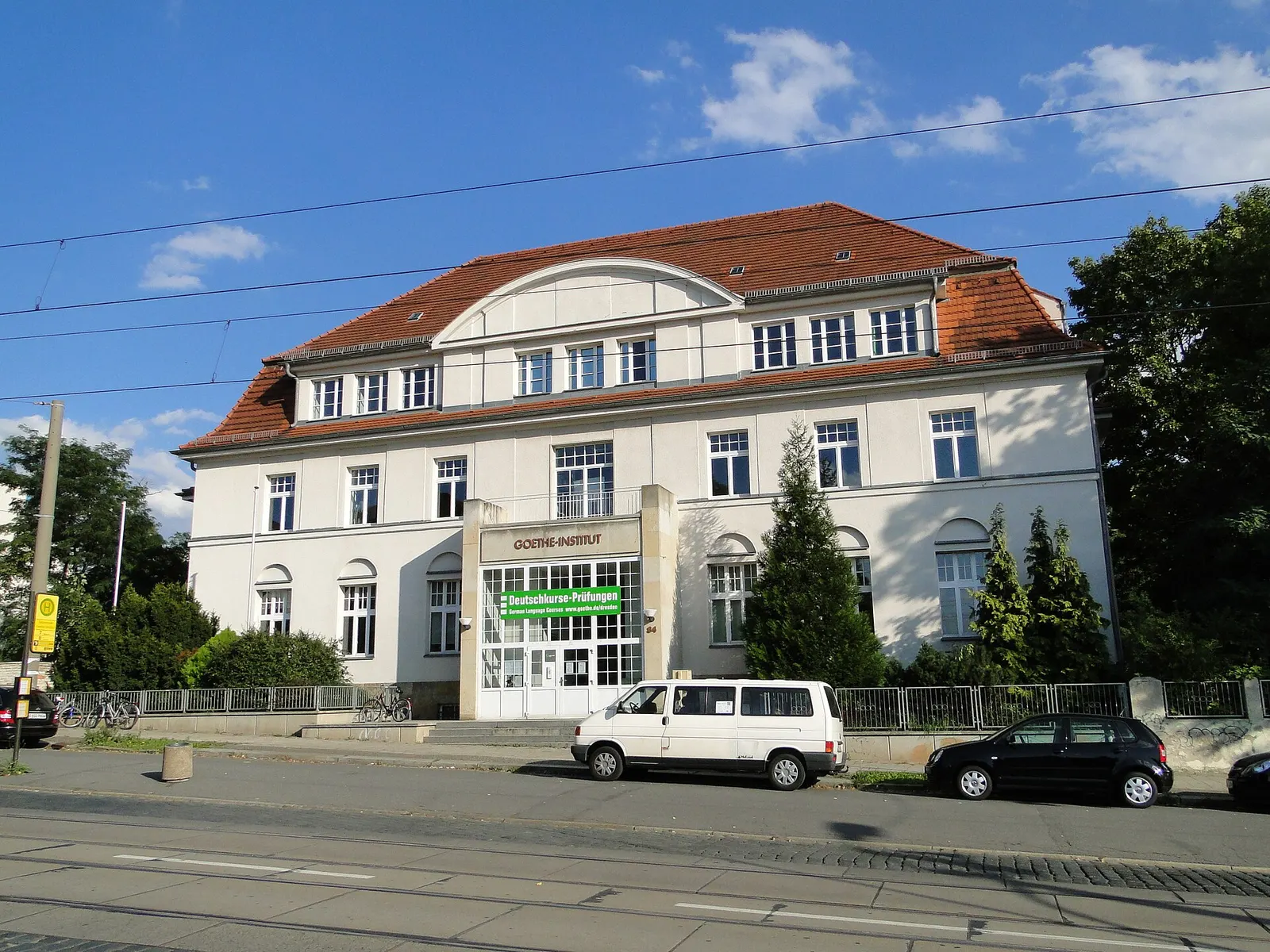
Where English works and where it does not
| Situation | English? | What that means for you |
|---|---|---|
| Lectures, seminars and exams on an English-taught programme | Yes | The one place English can be relied on; a DZHW analysis found 40% of 120 English-taught STEM programmes include no German-language support at all, so the university will not necessarily teach you the language |
| International office, student advisers, Studierendenwerk counselling | Usually | Staff dealing with international students mostly speak English; forms and contracts are still German |
| Immigration office (Ausländerbehörde), Bürgeramt, tax office | Not guaranteed | Letters, forms and appointments are in German; bring a German-speaking friend or a tandem partner to the first appointments, and read the residence-permit guide before you go |
| Doctors and receptions | Varies | Some practices manage in English, but appointments, forms and the reception desk usually work in German; no official page read says whether the on-call service 116117 or the 112 control rooms take calls in English, so learn the key sentences in German |
| Landlords, flat viewings, building management | Rarely | Leases, house rules and the landlord's letters are usually in German; a WG that advertises in English is the exception |
| Supermarkets, kiosks, markets | Rarely needed | Shopping works with no German; a handful of words (Pfand, Tüte, Kasse) cover the till |
| Part-time jobs | Only in some fields | Some student-assistant posts in English-speaking research groups and some tech jobs work in English; jobs with customers generally need German; see the student-jobs guide |
| Neighbours, clubs, the Hausordnung, the police | Rarely | Social life outside the international bubble is in German, and so are the house rules in your lease |
The pattern is that institutions aimed at international students accommodate English and everything else does not. Students on English-taught programmes who never learn German are not stuck, but they are dependent: on friends to read letters, on the international office to call the Ausländerbehörde, on luck at the doctor's. The evidence from the job market is in the graduate-jobs guide.
How long it takes: A1 to C1 in teaching units
Language schools measure courses in teaching units (Unterrichtseinheiten, UE) of 45 minutes. The Goethe-Institut London's guide figures are below. It presents them as approximate: how fast you progress depends on commitment, the time you put in, extra practice, the languages you already know and whether you learn at home or in Germany. They are cumulative: the B2 figure is the total from zero, not the time for the B2 course alone.
| Level | Teaching units from zero | What it feels like |
|---|---|---|
| A1 | 80–200 teaching units | Greetings, the till, simple forms |
| A2 | 200–350 teaching units | Everyday errands, short conversations with neighbours and at the Bürgeramt |
| B1 | 350–650 teaching units | Independent daily life, a doctor's visit, a WG viewing; the target of the state integration course and the level the citizenship law requires (B1) |
| B2 | 600–800 teaching units | Work with customers, seminars in German with effort, reading a lease properly; earns 3 points on the Opportunity Card |
| C1 | 800–1,000 teaching units | Full academic use; the range in which the TestDaF (TDN 4 in all four parts) and the DSH (DSH-2) admit you to German-taught degrees |
Divide the units by the hours a week your course offers to get a rough timetable: an intensive course of many units a week moves far faster than a few units a week alongside lectures. The common question 'how many months to B2?' therefore has no single answer; with a full-time intensive course and daily use it is a matter of months, alongside a degree it is likely to take years.
What each level unlocks legally
| Level | Where it matters | Detail |
|---|---|---|
| B1 | Naturalisation | 'Sufficient' German for citizenship is proved by a B1 examination (B1); see the citizenship guide |
| B1 | EU Blue Card holders' settlement permit | Shortens the Blue Card period before permanent residence to 21 months; see the permanent-residence guide |
| B1 | Integration course | The target level of the 600-unit language part, tested with the Deutsch-Test für Zuwanderer |
| A2, B1, B2 | Opportunity Card (Chancenkarte) points | 1 point for A2, 2 points for B1, 3 points for B2; only the highest level counts; see the Opportunity Card guide |
| TestDaF TDN 4, DSH-2, telc C1 Hochschule, Goethe C2 | Admission to German-taught degrees | The framework rules treat TDN 4 in all four parts or DSH-2 as proof for all programmes; universities may set more or less for individual programmes; see the language-requirements guide |
| B1 or so | Studienkolleg entry | Foundation colleges expect at least B1 on entry; see the Studienkolleg guide |
Where to learn German in Germany
| Option | Who it suits | What to know |
|---|---|---|
| University language centre (Sprachenzentrum) | Enrolled students | Semester courses at several levels, sometimes with ECTS; fees and registration rules vary by university, so check yours early |
| Preparatory or DSH course at the university | Admitted applicants who still need the certificate | Intensive, fee-charging, tied to the university's DSH exam; see the language-requirements guide |
| Adult-education centre (Volkshochschule, VHS) | Adults in the area | Evening and intensive courses; prices differ by city and were not verified for this page |
| Integration course (Integrationskurs) | Migrants with an entitlement; others only if places are free | 700 teaching units ending at B1, at €2.29 per teaching unit, €1,603 for the full course; details below |
| Goethe-Institut and private language schools | Anyone, including before arrival | Intensive courses and the Goethe certificates; compare prices, which are usually higher than at a university or VHS |
| Tandem partners, language cafés, apps | Everyone, alongside a course | Often free; many universities run tandem exchanges; useful for speaking, not a substitute for a course |
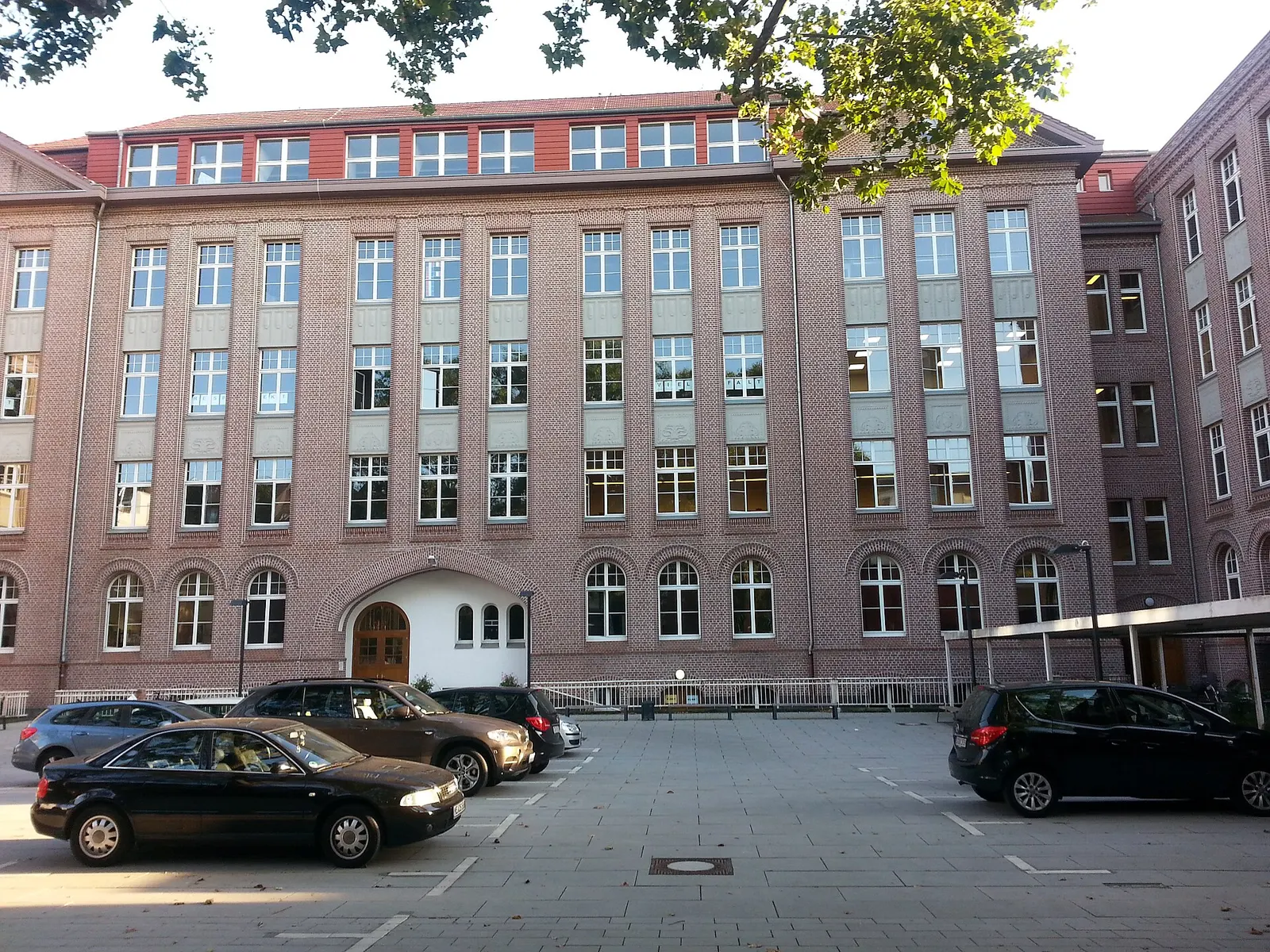
For a student the university language centre is the natural first stop because it is on campus and timetabled around lectures. Semester courses move slowly; a student in a hurry adds an intensive course in the semester break or a VHS evening course.
The integration course: what it is and whether a student can join
- IntegrationskursIntegrationskurs
- The Federal Office for Migration and Refugees' (BAMF) standard course for new migrants: 700 teaching units in total, of which 600 are a language course to B1 ending with the Deutsch-Test für Zuwanderer and 100 an orientation course on German law, history and society ending with the 'Leben in Deutschland' test. Run by local providers (VHS and private schools), subsidised by the state.
Participants who are not in a fee-exempt group pay the provider €2.29 per teaching unit, which BAMF's own example puts at €1,603 for a full general course; the contribution for each course section is due at the start of that section (IntV § 9(3)). Half of it can be refunded on application if you pass the final test within 2 years of the first entitlement certificate. People on basic-security benefits or in financial need can apply to the BAMF regional office for exemption, which applies retroactively only to the first module, so the application comes before the course starts.
Whether a student can join is the open point. A student residence permit does not carry an entitlement to the course. BAMF's information sheet of 29 July 2026 says that admission for people without an entitlement happens 'within available places, which depend on the available budget', with priority for people who are to become available to the labour market and for the groups named in the ordinance; its information sheet does not mention the student permit at all. In practice that means asking the BAMF regional office or a local provider whether an admission application (Antrag auf Zulassung) has a realistic chance in your city, and not planning a semester around it. For most students the university language centre is the better bet.
Learning German before the degree: the language-course visa
Students who want to reach the admission level in Germany rather than at home can apply for a visa for a language course. The German missions in Turkey expect an intensive course of at least 18 teaching units per week, and the course-visa route has its own rules on work and on switching to a student permit, set out in the applicant and language-course visa guide. It is the expensive route, because the course fees and the proof of funds both have to be shown.
In practice: a realistic plan around an English-taught degree
Before arrival
Reach A1, ideally A2
An online or Goethe course at home covers the till, the forms and the first Bürgeramt visit. Bring a certificate if you have one; it helps with the language centre's placement test.
Enrolment weeks
Register at the university language centre
Check the placement and registration rules and book the semester course early. Ask the international office about tandem programmes.
First semester
German for survival
Learn to read a letter from an authority with a dictionary, to make a doctor's appointment and to answer the landlord. Use the daily errands as practice.
Semester break
Intensive course
An intensive course at the language centre, a VHS or a private school in the break adds many units in a few weeks, which is how to make real progress against the Goethe figures above.
Second year
B1 to B2
Switch to German for part of daily life: a part-time job with customers, a German-speaking sports club, German-language news. B2 opens far more jobs and internships; see the work hub.
Before graduation
Certify it
Take a recognised B2 or C1 exam (Goethe, telc, TestDaF) in your last year; the certificate counts for jobs, the Opportunity Card and, at B1, for the settlement and citizenship rules in the after-graduation hub.
Ten words before your first week
- Termin (appointment), Anmeldung (address registration), Ausweis (ID)
- Pfand (deposit), Tüte (bag), Kasse (till), Kassenbon (receipt)
- Ruhezeit (quiet hours), Hausordnung (house rules), Nebenkosten (service charges)
Frequently asked questions
Do you need German to live in Germany?
For the degree on an English-taught programme, no; for the life around it, yes. The immigration office, Bürgeramt, landlords, doctors' receptions and most jobs work in German. A1 before arrival and B1 during your first year or two is a realistic target that makes daily life independent.
How long does it take to learn German to B2?
The Goethe-Institut's guide figure is 600–800 teaching units of 45 minutes from zero, as an estimate that depends on the learner. With a full-time intensive course that is a matter of months; with a four-unit-a-week university course alongside a degree it is a matter of years, which is why students add intensive courses in the semester breaks.
Can I study in Germany in English and live without German?
You can study in English on one of the 2,383 programmes mainly taught in English, most of them master's programmes. Living without German is possible but dependent: someone else reads your letters and calls the authorities for you, and the job market after graduation narrows sharply. Many universities offer German courses to international students, but a DZHW analysis found 40% of English-taught STEM programmes build no German support into the curriculum.
Can international students take the integration course?
Not as of right. A student residence permit carries no entitlement, and BAMF admits people without one only within available places and budget, with priority for other groups. Ask the BAMF regional office or a local provider; the course costs €2.29 per teaching unit (€1,603 for the full 700 units), with half refundable if you pass within 2 years.
Are German courses at university free?
It depends on the university: language centres offer semester courses to enrolled students, sometimes with credit points, and each sets its own fees. Intensive and DSH preparation courses usually charge. Adult-education centres (VHS) charge per course, at prices that differ by city.
Which German level do I need for a student job?
No law sets a level for student jobs; it depends on the employer. Café, shop and customer-facing jobs usually expect conversational German, while many lab, IT and international-company roles work in English. Higher levels open far more options; see finding a student job for jobs without German.
Sources
6 sources, 5 official
- Häufig gestellte Fragen – Sprachkurse (Wie lange dauert es, eine Niveaustufe zu erreichen?)Goethe-Institut London (Institutional)
- Integrationskurse: Inhalt und AblaufBundesamt für Migration und Flüchtlinge (BAMF) (Official)
- Was kostet ein Integrationskurs? (FAQ)Bundesamt für Migration und Flüchtlinge (BAMF) (Official)
- Merkblatt zum Antrag auf Zulassung zu einem Integrationskurs (630.009u), Stand 29. Juli 2026Bundesamt für Migration und Flüchtlinge (BAMF) (Official)
- Integrationskursverordnung (IntV) § 9 Kostenbeitrag and § 10 Grundstruktur des IntegrationskursesBundesministerium der Justiz (gesetze-im-internet.de) (Official)
- 116117.de – Der Patientenservice (ärztlicher Bereitschaftsdienst)Kassenärztliche Bundesvereinigung (KBV) (Official)