The Sunday closing rule is the first thing about German daily life that a new student runs into, usually on the first Sunday, standing in front of a dark supermarket. It is not a custom but law: the constitution protects Sundays and public holidays as days of rest from work, and each federal state's shop-hours act turns that into closing times. The overview is in the daily-life hub; this page sets out what the law allows in each student city, what actually opens, and how to plan the week.
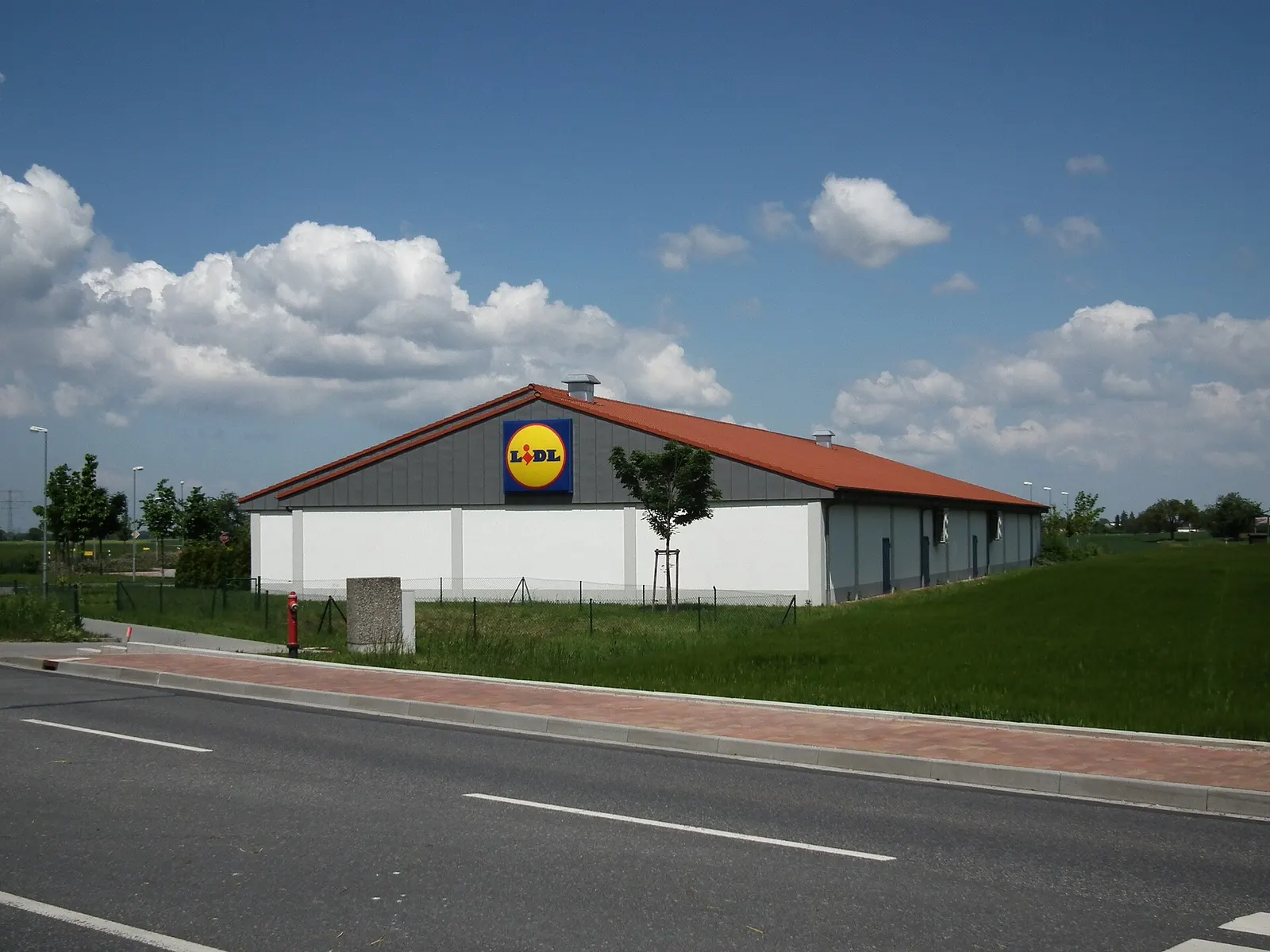
Why shops close on Sundays, and why the rules differ by state
Article 140 of the Basic Law, with Article 139 of the Weimar constitution, protects Sundays and state-recognised holidays as days of rest and spiritual elevation. Shop hours themselves became a state matter in 2006, and every Land has since passed its own act. Bavaria was the last: its own Ladenschlussgesetz replaced the federal law on 1 August 2025. So a question such as 'can the bakery open on Sunday?' has sixteen answers, and the right one depends on the Land where the shop is, not on the chain.
Two general patterns hold everywhere. First, Sunday and public-holiday closing is the rule, with a fixed list of exceptions: bakeries and flower and newspaper shops for a limited number of hours, petrol stations and shops in railway stations and airports for travel needs, pharmacies on duty, and a few shopping Sundays a year that a municipality may release for an event. Second, the permitted hours on working days are ceilings, not timetables: each shop sets its own hours within them, and few supermarkets use the round-the-clock opening that several Länder allow.
State by state: the student cities compared
| State (cities) | Monday–Saturday | Sunday and holiday exceptions | Shopping Sundays |
|---|---|---|---|
| Bavaria (Munich) | Monday–Saturday 06:00–20:00; bakeries from 05:30; new late-opening nights until midnight: up to 8 evenings released by the municipality plus up to 4 more notified by the shop, each until midnight | Bakeries 3 hours between 08:00 and 18:00, newspapers five hours, flowers and milk two hours; stations, airports and petrol stations for travel needs including small quantities of food; staff-less micro-supermarkets up to 150 m² of sales floor, for hours the municipality may limit to no fewer than eight in a row | 4 Sundays or holidays a year, each at most five hours between 10:00 and 18:00 |
| Berlin | Monday–Saturday around the clock (0–24) | Flower, newspaper, bakery and milk-product shops 07:00–16:00; tourist-goods shops 13:00–20:00; petrol stations, pharmacies and shops in main stations, airports and bus terminals; art and second-hand markets 07:00–18:00 | 8 Sundays or holidays a year citywide, 13:00–20:00, plus two per shop for a special occasion |
| Hamburg | Monday–Saturday 06:00–24:00 | Pharmacies, petrol stations, flower shops, bakeries and kiosks under conditions | At most four event-linked shopping Sundays a year; district-wide ones no longer possible |
| North Rhine-Westphalia (Cologne, Aachen) | Monday–Saturday without any time limit; 24 December until 14:00 | Shops mainly selling bakery goods, flowers or newspapers 5 hours (not Easter Monday, Whit Monday, 26 December); station and airport shops all day for travel needs; petrol stations for fuel, spare parts and travel needs | Up to 8 Sundays or holidays a year per shop, never on consecutive Sundays, five hours from 13:00; at most 16 per municipality |
| Hesse (Frankfurt) | Monday–Saturday 00:00–24:00; closed from 20:00 on Maundy Thursday and from 14:00 on 24 and 31 December | Bakery and pastry shops, flower shops and kiosks 6 hours; petrol stations and station and airport shops around the clock for travel needs; staff-less micro-supermarkets up to 120 m² of sales floor | Up to 4 Sundays a year, at most six hours, ending by 20:00 |
| Baden-Württemberg (Stuttgart, Heidelberg) | Monday–Saturday without closing times; 24 December until 14:00 | Bakery and pastry goods at most 3 hours, flowers three (six on certain days such as All Saints), fresh milk three, newspapers six; petrol stations and station shops for travel needs only; since February 2026 staff-less shops up to 150 m² of sales floor | Up to 3 Sundays a year per municipality, five consecutive hours, closing by 18:00 |
| Saxony (Leipzig, Dresden) | Monday–Saturday 06:00–22:00; shopping events on up to five working days a year until 06:00 the next day | Newspaper, flower, bakery and dairy shops 6 hours in total between 07:00 and 18:00 | Up to 4 Sundays a year, 12:00–18:00, plus one for a special regional event |
The rows come from each Land's statute or service portal; Hesse's Sunday bakery hours rest on the chambers of commerce's summaries. The pattern to remember: a staffed supermarket outside a station or airport does not open on an ordinary Sunday anywhere in Germany, and the number of released shopping Sundays is small everywhere.
What is actually open on a Sunday
| Option | What you get | Limits |
|---|---|---|
| Bakery (Bäckerei) | Bread, rolls, pastries, coffee; many have seating and sell sandwiches | A fixed number of hours set by the state, usually in the morning; the shop posts its Sunday slot |
| Supermarket inside a main railway station or airport | A real, if small, supermarket at higher prices | Legally limited to travel needs, which in Bavaria and Baden-Württemberg includes food and drink in small quantities |
| Petrol station | Drinks, snacks, some packaged food, newspapers | Fuel, spare parts and travel needs; not a grocery run |
| Pharmacy on emergency duty (Notdienst) | Prescriptions and urgent medicines | A rota of duty pharmacies; the one on duty is posted at the door of every closed pharmacy; a surcharge of €2.50 applies outside normal hours (see the emergency-care guide) |
| Late-night kiosk (Späti, Kiosk, Trinkhalle) | Drinks, snacks, tobacco, sometimes basics | A grey zone: in Berlin the service portal lists no Späti category, in North Rhine-Westphalia goods to take away follow the shop-hours law; what is open on a Sunday is the owner's risk, not your right |
| Restaurants, cafés, takeaways, delivery | Full meals | Hospitality is not covered by the shop-hours laws, so many open on Sundays; check each place's hours |
| Flea and second-hand markets | Furniture, kitchenware, bikes | Berlin allows art and second-hand markets 07:00–18:00 on Sundays; elsewhere check the market's own days |
| Staff-less micro-supermarkets | Everyday goods, paid at a machine or by self-service | Allowed on Sundays in Hesse since July 2024, Bavaria since August 2025 and Baden-Württemberg since February 2026, with size limits and possible local limits on hours |
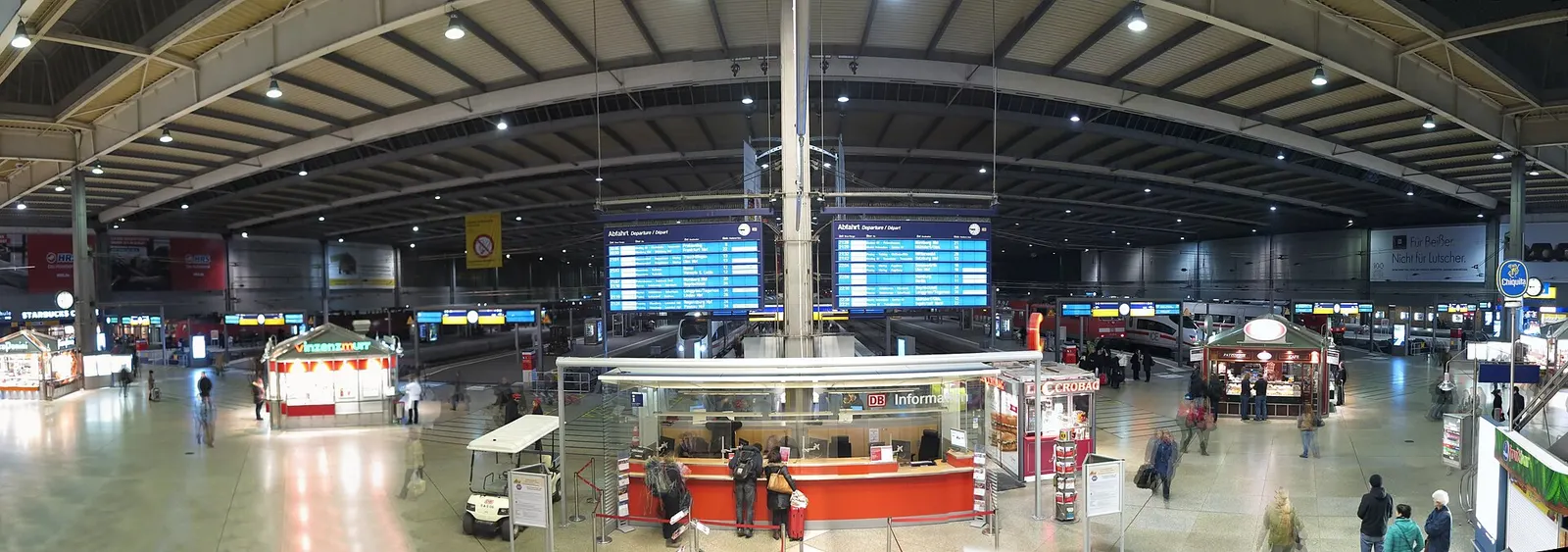
Public holidays: when a weekday behaves like a Sunday
Public holidays close shops exactly like a Sunday. Nine of them apply nationwide: New Year's Day, Good Friday, Easter Monday, 1 May, Ascension Day, Whit Monday, the Day of German Unity on 3 October, and Christmas Day and 26 December. The rest are state holidays, which is why Cologne shops are shut on Corpus Christi and All Saints while Berlin's are open, and why Berlin closes on 8 March while Munich does not. Bavaria adds Epiphany, Corpus Christi, All Saints and, in mainly Catholic municipalities, the Assumption. The reliable list is your state's own holiday calendar; a university's academic calendar usually prints it too.
24 December
Christmas Eve
A working day with early closing: shops close at 14:00 in Bavaria, Baden-Württemberg, North Rhine-Westphalia and Hesse under the rules above. Stock up on 23 December.
25 and 26 December
Christmas
Public holidays nationwide; bakeries may not open on 26 December in North Rhine-Westphalia or Saxony.
31 December
New Year's Eve
A working day; Hesse closes shops from 14:00, Saxony allows 06:00–14:00. Other states follow their general rules, so check locally.
Easter and Whitsun
Long weekends
Good Friday, Easter Monday and Whit Monday are nationwide holidays; several states exclude Easter Sunday and Whit Sunday even from the bakery exception. Plan for a four-day gap at Easter.
1 May and 3 October
Secular holidays
Both nationwide; 3 October is the only holiday set by federal law. Shops are closed.
Munich and Bavaria: what the 2025 law changed
Bavaria had the strictest hours of the large states, and still does: Monday–Saturday 06:00–20:00 on working days, with bakeries allowed from 05:30. Since 1 August 2025 three things are new. Municipalities may release up to eight evenings a year on which shops stay open until midnight, and each shop may add up to four more after notifying the town hall two weeks ahead, so a Munich supermarket open at 23:00 is now legal on those nights. Staff-less micro-supermarkets of up to 150 m² of sales floor may open outside the normal hours, including Sundays, though a municipality may limit their Sunday hours to no fewer than eight in a row. And Sunday openings tied to an event are capped at 4 Sundays or holidays a year, each at most five hours between 10:00 and 18:00, never on the Advent Sundays in December or the big church holidays. The rest is unchanged: bakeries 3 hours on Sundays, stations and petrol stations for travel needs, and the pharmacy rota posted on the door of every closed pharmacy.
Sunday closing affects more than groceries. Most offices, including the Bürgeramt, are closed at weekends, so time-critical paperwork belongs in the week. Medical care continues: on Sundays and holidays the on-call service on 116117 and pharmacies on emergency duty cover the gap, as explained in medical emergencies. Local and regional trains run on Sundays, and your semester ticket covers them, which makes Sunday a common day for trips. In a shared flat, quiet Sundays also matter for the neighbours; see cultural norms. And because Saturday is the last shopping day, the supermarkets guide suggests planning one main shop a week.
In practice: planning around the closures
Do the weekly shop before Saturday evening
Ordinary shops do not open again until Monday. Where to shop and what it costs is in the supermarkets guide.
Return empties at the same time
A return machine inside a closed shop is useless on Sunday; the mechanics are in the Pfand guide.
Map your fallbacks
Note the nearest bakery with Sunday hours, the main-station supermarket and a petrol station. Treat them as emergency bread and milk, not as a weekly shop.
Check the holiday calendar before long weekends
A holiday on a Monday or Friday means a three-day gap; Easter means four. Universities and the state's own website publish the list.
Sort medicines separately
Pharmacies run an emergency rota with a surcharge of €2.50 outside normal hours; the on-call doctor is 116117 and the emergency number 112.
Arriving on a Sunday?
Station and airport shops sell travel needs such as water and snacks; the first days are mapped in the first-30-days guide.
Frequently asked questions
Are shops open on Sundays in Germany?
No. Shops are closed on Sundays and public holidays in every federal state, with narrow exceptions: bakeries and flower and newspaper shops for a few hours (three in Bavaria and Baden-Württemberg, five in North Rhine-Westphalia, six in Hesse and Saxony), petrol stations and shops inside stations and airports for travel needs, pharmacies on duty, a few municipally released shopping Sundays a year and, in Bavaria, Hesse and Baden-Württemberg, small staff-less shops.
Which supermarkets open on Sundays in Germany?
Only those inside railway stations and airports, which may sell travel needs (in Bavaria and Baden-Württemberg food and drink in small quantities). Bavaria, Hesse and Baden-Württemberg also allow small staff-less micro-supermarkets to open on Sundays. An ordinary staffed supermarket on a high street does not open on a Sunday anywhere.
Why is everything closed on Sundays in Germany?
Because the constitution protects Sundays and public holidays as days of rest from work, and each state's shop-hours act turns that into a closing rule. The states differ in their working-day hours, in the exceptions and in the number of shopping Sundays they release, from 3 Sundays a year in Baden-Württemberg to 8 Sundays or holidays a year citywide in Berlin.
What time do shops close on Saturday in Germany?
Whenever the shop chooses within its state's ceiling: midnight in Hamburg, 22:00 in Saxony, 20:00 in Bavaria (except on released late-opening nights), and no limit at all in Berlin, North Rhine-Westphalia, Hesse and Baden-Württemberg. Each shop posts its own hours, and ordinary shops do not open again until Monday.
Is there a pharmacy open on Sundays in Germany?
Yes. Pharmacies run a rota of emergency duty (Notdienst) for nights, Sundays and holidays, posted on the door of every closed pharmacy and searchable online. A surcharge of €2.50 applies outside normal hours.
Can I get groceries delivered on a Sunday in Germany?
Do not count on it. The shop-closing laws restrict Sunday sales, so whether a grocery delivery service delivers on a Sunday depends on the provider and the Land. Restaurants and takeaways are not shops and do serve on Sundays, and supermarkets in main stations and airports are among the exceptions. Plan around it with the supermarkets guide.
Sources
18 sources, 13 official
- Grundgesetz Art. 140 in Verbindung mit Art. 139 der Weimarer Reichsverfassung (Sonn- und Feiertagsschutz)Bundesministerium der Justiz / gesetze-im-internet.de (Official)
- Bayerisches Ladenschlussgesetz (BayLadSchlG) vom 25. Juli 2025 (GVBl. S. 246)Bayerische Staatskanzlei / BAYERN.RECHT (gesetze-bayern.de) (Official)
- Ladenöffnungszeiten – Ausnahmen aus besonderem Anlass anzeigenService-Portal Berlin (Land Berlin) (Official)
- Öffnungszeiten im Einzelhandel (Ladenöffnungszeiten)hamburg.de (Freie und Hansestadt Hamburg) (Official)
- Gesetz zur Regelung der Ladenöffnungszeiten (Ladenöffnungsgesetz – LÖG NRW), §§ 4–9Land Nordrhein-Westfalen (Justizportal NRW text, via LexMea) (Official)
- Ladenschlussrecht – Ladenöffnungsgesetz NRW (LÖG NRW), Nr. 1286Bergische Industrie- und Handelskammer (IHK) (Institutional)
- Hessisches Ladenöffnungsgesetz (HLöG), consolidated text, Stand 23.07.2024umwelt-online (consolidated statute text) (Institutional)
- Drittes Gesetz zur Änderung des Hessischen Ladenöffnungsgesetzes vom 10. Juli 2024 (GVBl. 2024 Nr. 33)Land Hessen (verkuendung.hessen.de) (Official)
- Ladenöffnungszeiten (Hessisches Ladenöffnungsgesetz)IHK Frankfurt am Main (Institutional)
- Hessisches Ladenöffnungsgesetz (Ladenöffnung)IHK Kassel-Marburg (Institutional)
- Gesetz über die Ladenöffnung in Baden-Württemberg (LadÖG), consolidated text as last amended by the law of 10 February 2026 (GBl. 2026 Nr. 23)Ministerium für Wirtschaft, Arbeit und Tourismus Baden-Württemberg (Official)
- Ladenöffnung in Baden-Württemberg (Nr. 4786312) and Merkblatt 'Gesetzliche Ladenöffnungszeiten in Baden-Württemberg' (April 2020)IHK Heilbronn-Franken / IHK Region Stuttgart (Institutional)
- Sonn- und FeiertagsrechtSenatsverwaltung für Inneres und Sport Berlin (berlin.de) (Official)
- Feiertagsgesetz NW § 2 FeiertageLand Nordrhein-Westfalen (Justizportal NRW text, via LexMea) (Official)
- Gesetz über den Schutz der Sonn- und Feiertage (Feiertagsgesetz – FTG), Art. 1Bayerische Staatskanzlei / BAYERN.RECHT (gesetze-bayern.de) (Official)
- Gesetz über die Ladenöffnungszeiten im Freistaat Sachsen (Sächsisches Ladenöffnungsgesetz – SächsLadÖffG), rechtsbereinigt mit Stand vom 1. Dezember 2020Sächsische Staatskanzlei / REVOSax (Official)
- Haus- und NachbarschaftslärmBezirksamt Charlottenburg-Wilmersdorf von Berlin, Ordnungsamt (berlin.de) (Official)
- Geräte- und Maschinenlärmschutzverordnung (32. BImSchV), § 7 Betrieb in Wohngebieten, and Anhang (Nr. 22 Altglassammelbehälter)Bundesministerium der Justiz / gesetze-im-internet.de (Official)