Every measure puts Munich at the top. Its median WG asking rent was the highest of the 90 university towns the Moses Mendelssohn Institut analysed for winter semester 2026/27, and in the 2022 census its average net cold rent for existing tenancies, €12.89 per m² a month, was the highest of Germany's 79 cities with at least 100,000 inhabitants. LMU Munich tells international students to budget about €1,500 per month in total — well above the €992 per month you prove for your visa. Housing is the main reason, and it is why the order in which you do things matters even more here than elsewhere. The national picture is in the student accommodation hub; Munich as a place to live is covered in studying in Munich.
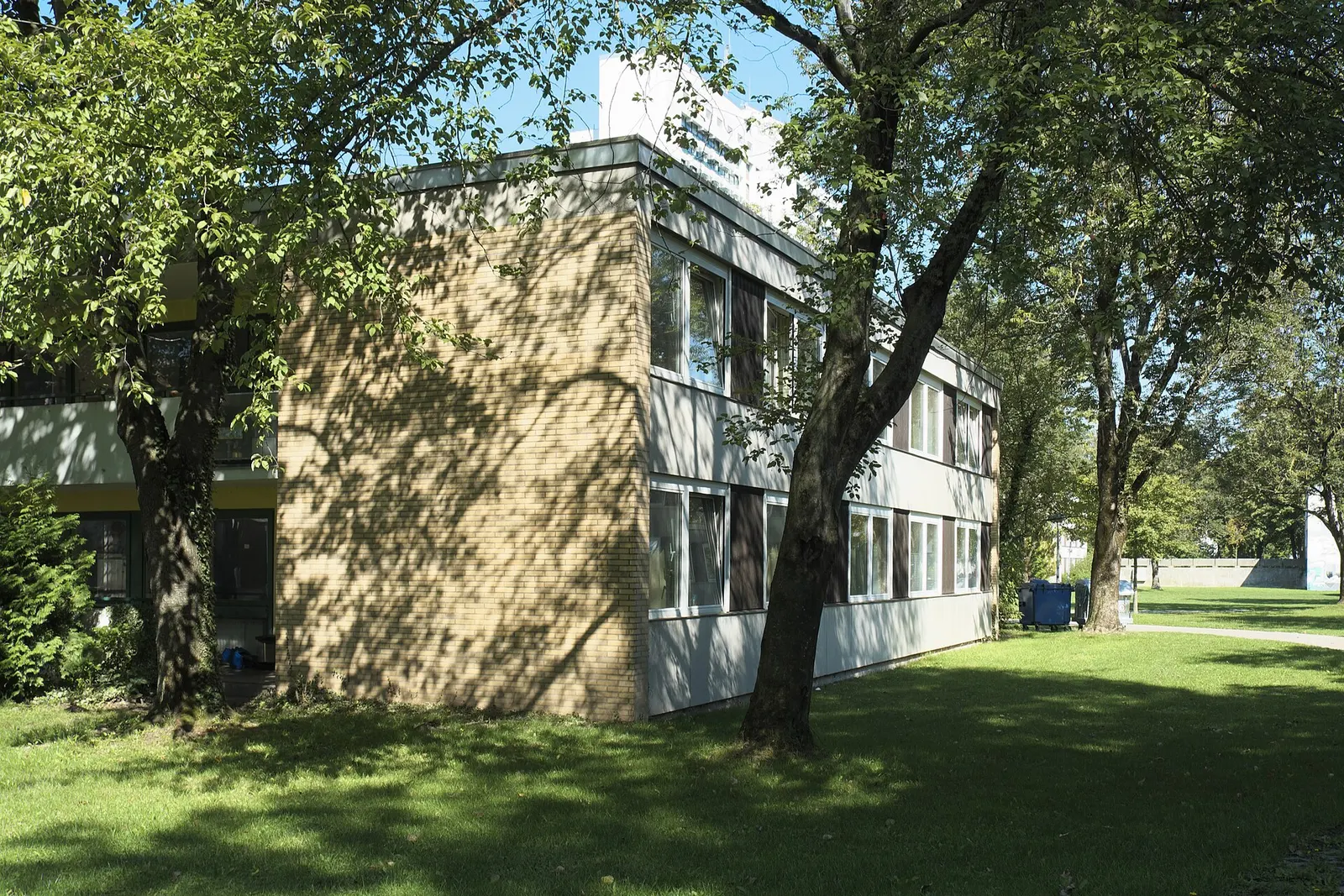
What student housing costs in Munich
| Housing | Price | Source and basis |
|---|---|---|
| Room in a WG: median asking rent | €850 per month | Moses Mendelssohn Institut / WG-Gesucht, winter semester 2026/27; warm, mostly incl. electricity and internet |
| Room in a WG: a quarter of offers below | €550 per month | Same analysis (first quartile) |
| Room in private housing | €700–€1,000 per month | LMU's guide for international students, utilities included |
| Studierendenwerk hall: average single place | €400.60 per month | Studierendenwerk München Oberbayern, all-in warm rent |
| Studierendenwerk hall: cheapest standard place | €283.20 per month | WG room at the Studentenstadt, list of October 2026 |
| Room in student housing | €400–€600 per month | LMU's guide, utilities included |
| Existing tenancies (whole flats) | €12.89 per m² a month | Census 2022, net cold rent; new leases cost more |
Compared with the other big markets, Munich's hall stock is not unusually small: publicly funded hall places equal 10.03% of its students, close to the national ratio, while Berlin's share is about half that. What sets Munich apart is the price of the private market.
Hall places per student: most in Heidelberg, fewest in Berlin
Publicly funded places on 1 January 2025, per student in 2024/25
Publicly funded student halls have a place for 20.57% of students in Heidelberg and 16.44% in Stuttgart, but only 7.47% in Hamburg and 5.09% in Berlin; across Germany the rate is 10.12%.
- Heidelberg20.57%
- Stuttgart16.44%
- Dresden16.03%
- Leipzig12.96%
- Germany10.12%
- Munich10.03%
- Frankfurt9.86%
- Aachen9.66%
- Hamburg7.47%
- Cologne7.25%
- Berlin5.09%
| Item | Value |
|---|---|
| Heidelberg | 20.57% |
| Stuttgart | 16.44% |
| Dresden | 16.03% |
| Leipzig | 12.96% |
| Germany | 10.12% |
| Munich | 10.03% |
| Frankfurt | 9.86% |
| Aachen | 9.66% |
| Hamburg | 7.47% |
| Cologne | 7.25% |
| Berlin | 5.09% |
The Unterbringungsquote of the Deutsches Studierendenwerk: places in halls run by the Studierendenwerke and other publicly funded operators. Private student residences are not counted.
Source: DSW. Last checked:
Image (PNG)| City | WG median asking rent | A quarter of WG offers below | Hall places as a share of students |
|---|---|---|---|
| Munich | €850 per month | €550 per month | 10.03% |
| Berlin | €650 per month | €530 per month | 5.09% |
| Hamburg | €650 per month | €560 per month | 7.47% |
| Frankfurt am Main | €630 per month | €550 per month | 9.86% |
| Germany | €510 per month | — | 10.12% |
How Munich's total living costs compare with other cities is in the city cost comparison.
Studierendenwerk München Oberbayern halls
- Studierendenwerk München OberbayernStudierendenwerk München Oberbayern
- The student-services organisation for the universities of Munich, Freising and Rosenheim. It lets more than 9,000 rooms and apartments in those three cities; the DSW counts 11,459 publicly funded hall places in the city of Munich itself, most of them the Studierendenwerk's. Applications run only online.
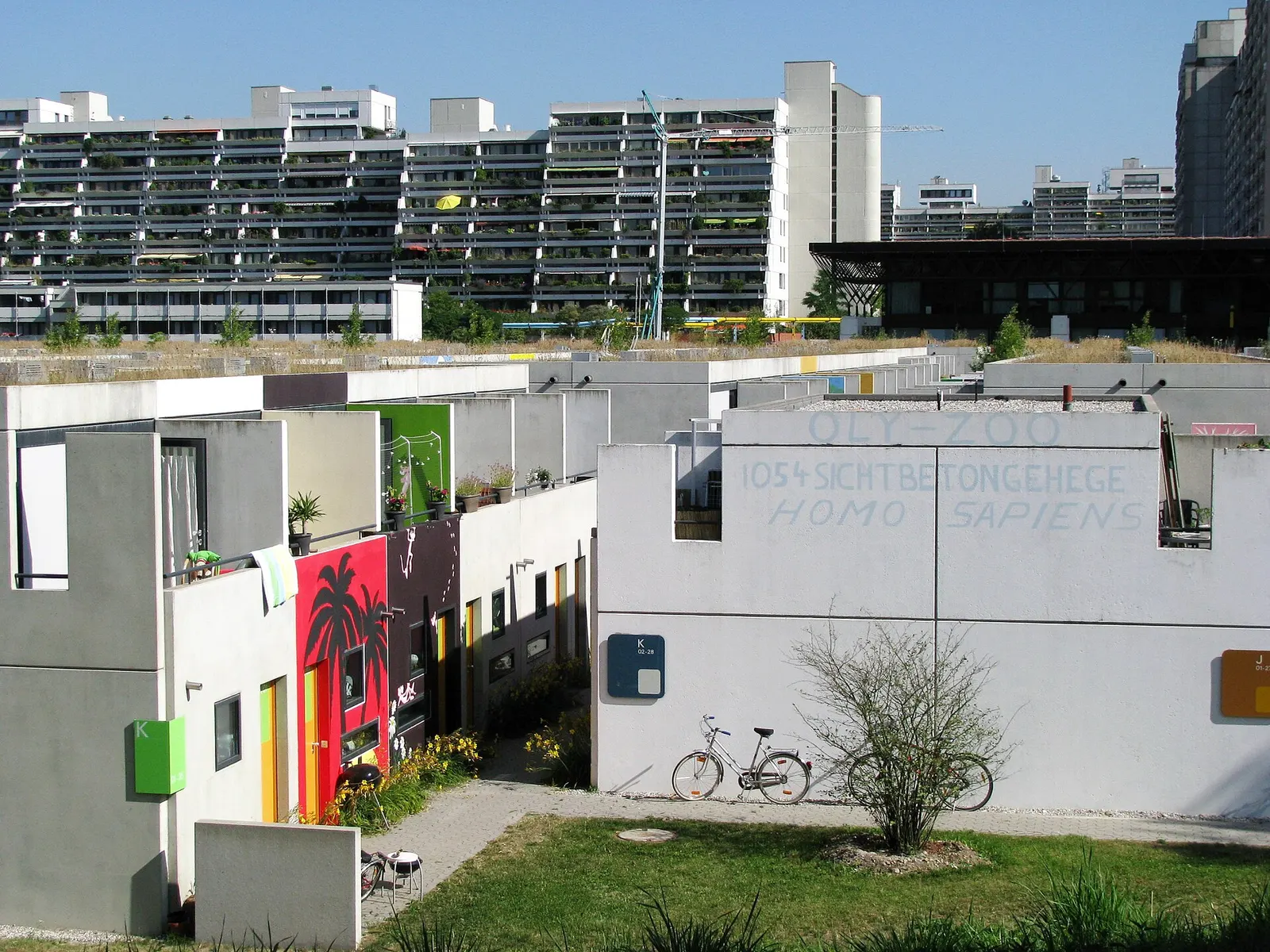
To be eligible you must be enrolled in a regular degree programme at one of the institutions the Studierendenwerk serves — among them LMU, TUM (except its Straubing site) and Hochschule München — and your monthly income may not exceed the current BAföG maximum rate by more than 30%. Doctoral candidates are excluded, as are students starting a second undergraduate degree or a further degree after a master's, and anyone with less than a year of residence time left. The maximum stay is 7 semesters for a bachelor's (or similar first degree), 4 semesters for a master's, and leases are fixed-term. Exchange students should not count on a place: the Studierendenwerk says it is almost impossible for them to get one and refers them to their host university's international office.
| Rule | What it means for you |
|---|---|
| Earliest application | Online, from 15 May for a winter-semester start, from 15 November of the previous year for a summer-semester start; enrolled students can apply at any time |
| Choice of halls | Up to 3 residences at the main location of your programme; not a ranking — the first free place in any of them is offered |
| Order | By application date, with quotas and contingents for a balanced mix of residents |
| Staying on the list | Upload a current enrolment certificate every semester — the application-process page names 1 November (winter semester) and 1 May (summer semester), the FAQ mid-November and mid-May; work to the earlier dates |
| Waiting time | 1 to 7 semesters, depending on the residence; the Studierendenwerk does not disclose your position |
| Changes | One application per person — duplicates are deleted; one change within the first year, by e-mail |
Where you apply changes how long you wait. In the October 2026 list the shortest waits were at residences away from the centre, such as Oberschleißheim, Felsennelkenanger and Stiftsbogen, and the longest at central ones such as Agnes-/Adelheidstraße; the cheapest WG rooms, at the Studentenstadt, sat in between. Because a semester means six months, a four-semester wait is about two years from your application date — so unless you pick a residence with a short wait, the hall place may come only after your first year, and the first semester needs another plan. The room types and the wider rules are explained in student dormitories in Germany.
In practice: from the Munich offer to your registration
Watch for two kinds of offer
A regular offer (Festanschreiben) comes about 3 to 8 weeks before the planned move-in with the lease and other documents as PDFs. A short-notice offer (Schnellanschreiben) comes about 1 to 2 weeks before move-in to several people at once: the first to reply gets the place, and the others keep their position.
Accept on time, with a SEPA mandate
Return the signed lease and a SEPA direct-debit mandate signed by the account holder by the deadline. Missing it cancels your application, and a new one starts the wait from zero. First leases usually run for at least 1 year.
No viewing, no advance transfer
Rooms are continuously occupied, so there are no viewings. The deposit is not transferred in advance: it is debited after an e-mailed SEPA pre-notification, and rent follows monthly by direct debit. The Studierendenwerk warns never to transfer money in advance to anyone.
Keys and the move-in form
Key pick-up instructions arrive with the lease the Studierendenwerk has countersigned. Use the move-in form to report damage that is already there.
Register at a Bürgerbüro
Munich has six citizens' offices; you need an appointment, and people moving from abroad must come in person. Bring the printed registration form, your passport and the Wohnungsgeberbestätigung — the city says a lease alone is not enough. Registration is free of charge; the deadline is 2 weeks after moving in. See address registration in Germany.
- BürgerbüroBürgerbüro
- Munich's name for the citizens' office — called Bürgeramt in Berlin and many other cities — where you register your address (Anmeldung). Munich has six; registration needs an appointment and, for people moving from abroad, a personal visit.
If your visa application asks for proof of accommodation before any offer has come, the Studierendenwerk will confirm on request that you are on its waiting list.
Other routes into Munich housing
The Studierendenwerk itself points to three alternatives. Its Privatzimmervermittlung is a free listing service in which private landlords offer WG rooms and flats to students — the contract is then with the landlord. It publishes a list of halls run by other operators, among them the Archdiocese of Munich and Freising with 17 student halls, IN VIA, the CVJM and several associations; you apply to each directly, some admit only men or only women, and the Studierendenwerk takes no responsibility for them. And its FAQ points to TUM's private housing market as another place to look.
- Wohnen für HilfeWohnen für Hilfe
- "Housing for help": a scheme run since 1996 by the Studierendenwerk with the association BEINANDER e.V., in which students live rent-free with older people and help them in everyday life — shopping, housework, the garden, accompanying them to the doctor. The guideline is 1 hour of help a month per m² of living space; you pay only the agreed operating costs.
Wohnen für Hilfe suits a particular student: you need good German and a planned stay of at least 1 year in Munich, you should be there for most of the semester breaks, and you need time to help — 5 hours a week on average. Rooms are mostly furnished, in the city and district of Munich, and BEINANDER interviews candidates by appointment. The Studierendenwerk adds a warning worth taking seriously: the rent-free benefit can be relevant for tax, and the help can count as a Minijob, so get advice — see Minijobs explained.
Most students end up on the private WG market, where Munich's prices meet the national rush at semester start: WG-Gesucht reported offers in several cities drawing more than three times as many contact requests as in June. Apply the day an advert appears, write individually and look beyond the centre — the Studierendenwerk's own outer halls show how much location matters. If you live further out, budget for transport: the Bavarian discounted Deutschlandticket for students costs €43 per month, and LMU's semester contribution of €97 per semester includes no transport ticket. How WG contracts and castings work is in shared flats (WG) in Germany, and the warning signs of fake offers — which follow every tight market — in housing scams in Germany.
Many Munich students widen the search to the surrounding region. The Deutschlandsemesterticket covers local and regional trains, so a room in a town on an S-Bahn or regional line can be part of the plan, as long as you count the commuting time. Whichever you choose, compare the total cost in the cost-of-living guide, check the private rental rules before you sign, and make sure the landlord will issue the landlord confirmation. TUM and LMU both publish living-cost estimates for Munich, which the cost guides use.
A Munich timeline for a winter-semester start
From the opening date
Apply to the Studierendenwerk
Applications open from 15 May for a winter-semester start, from 15 November of the previous year for a summer-semester start. Choose up to 3 halls at your main study location, including outer residences.
During your visa application
Get a waiting-list confirmation if needed
Ask the Studierendenwerk by e-mail for a confirmation that you are on the list.
Summer
Arrange the first semester
Book temporary housing or an approved sublet you can register from; start watching WG adverts and the Privatzimmervermittlung.
September and October
Peak competition
Respond to WG offers at once; at the start of the 2026/27 semester WG-Gesucht reported offers drawing more than three times as many contact requests as in June.
Within 2 weeks of moving in
Register at a Bürgerbüro
With an appointment, in person, with the Wohnungsgeberbestätigung.
Every semester
Keep the hall application alive
Upload your enrolment certificate by 1 November (winter semester) and 1 May (summer semester) and answer every e-mail from the Studierendenwerk.
Frequently asked questions
How do I find student accommodation in Munich?
Apply online to the Studierendenwerk München Oberbayern as soon as applications open (from 15 May for a winter-semester start, from 15 November of the previous year for a summer-semester start), choosing up to 3 halls, and keep the application alive every semester. Because waits range from 1 to 7 semesters, also search the private market — WG platforms, the Studierendenwerk's free Privatzimmervermittlung, church and association halls, and Wohnen für Hilfe if you speak good German.
How much is a WG room in Munich?
The median asking rent for a room in an existing two- or three-person WG was €850 per month in winter semester 2026/27, the highest of 90 German university towns, and a quarter of offers were below €550 per month. LMU's guide budgets €700–€1,000 per month for a room in private housing, utilities included.
How long is the Munich dorm waiting list?
Depending on the residence, 1 to 7 semesters; outer residences such as Oberschleißheim, Felsennelkenanger and Stiftsbogen had the shortest waits in the October 2026 list. The Studierendenwerk does not disclose your position, and you lose your place if you miss the semester upload of your enrolment certificate.
Can exchange students get a Studierendenwerk room in Munich?
Hardly: the Studierendenwerk München Oberbayern says it is almost impossible for programme and Erasmus students to get a room through it, and it does not take applications for stays shorter than a semester. Exchange students should contact the international office or programme coordinator of their Munich host university.
What is Wohnen für Hilfe in Munich?
A scheme of the Studierendenwerk and BEINANDER e.V. in which students live rent-free with older people in return for help in everyday life, guided by 1 hour of help a month per m² of living space; you pay only the agreed operating costs. You need good German, time to help (5 hours a week on average) and a stay of at least 1 year in Munich.
Can I live outside Munich and commute to university?
Yes, and many students do. The Deutschlandsemesterticket covers local and regional trains, so towns on an S-Bahn or regional line are an option; weigh the lower rent against the travel time. See the semester ticket and the city comparison.
Sources
16 sources, 15 official
- Pressemitteilung: Studentische Wohnkosten Wintersemester 2026/2027 (19 September 2026)Moses Mendelssohn Institut (with WG-Gesucht.de) (Institutional)
- Wohnraum für Studierende — Statistische Übersicht 2025 / Student Housing in Germany — Statistical OverviewDeutsches Studierendenwerk (DSW) (Official)
- Wohnheime für Studierende — Wohnen beim StudierendenwerkStudierendenwerk München Oberbayern (Official)
- Wartezeit und Miete (Stand: Oktober 2026)Studierendenwerk München Oberbayern (Official)
- FAQ — Wohnplatzbewerbung und WohnplatzStudierendenwerk München Oberbayern (Official)
- Was geschieht von der Bewerbung bis zum Einzug? (Bewerbungsprozess)Studierendenwerk München Oberbayern (Official)
- Miete, Betriebskosten und Wartezeiten (Wohnformen)Studierendenwerk München Oberbayern (Official)
- PrivatzimmervermittlungStudierendenwerk München Oberbayern (Official)
- Wohnanlagen privater TrägerStudierendenwerk München Oberbayern (Official)
- Wohnen für HilfeStudierendenwerk München Oberbayern (Official)
- Living costs (International Student Guide)LMU Munich (Official)
- Semester fees for the Munich Student Union (Studierendenwerk)LMU Munich (Office of the University Registrar) (Official)
- Wohn-Sitz anmelden (Leichte Sprache)Landeshauptstadt München (Official)
- Bundesmeldegesetz (BMG), consolidated text (last amended by Art. 10 G v. 22.7.2026, BGBl. 2026 I Nr. 222)Bundesministerium der Justiz / gesetze-im-internet.de (Official)
- Zensus 2022, Tabelle 4000W-0004: Wohnungskennzahlen – Durchschnittliche Nettokaltmiete (Gemeinden, Stichtag 15.05.2022)Statistische Ämter des Bundes und der Länder (Zensusdatenbank) (Official)
- ÖPNV für Studierende (früher: Semesterticket München)Studierendenwerk München Oberbayern (Official)