Sooner or later, almost every student in Germany receives a letter from the 'ARD ZDF Deutschlandradio Beitragsservice'. It is not a scam and not optional. The Rundfunkbeitrag funds public television and radio. It is owed for every dwelling in Germany, at €18.36 per month, whether or not anyone there owns a television or listens to the radio. What matters for students is who pays it, how a shared flat splits it, and what happens if you ignore it. Turkish speakers often search for it as 'GEZ ücreti'.
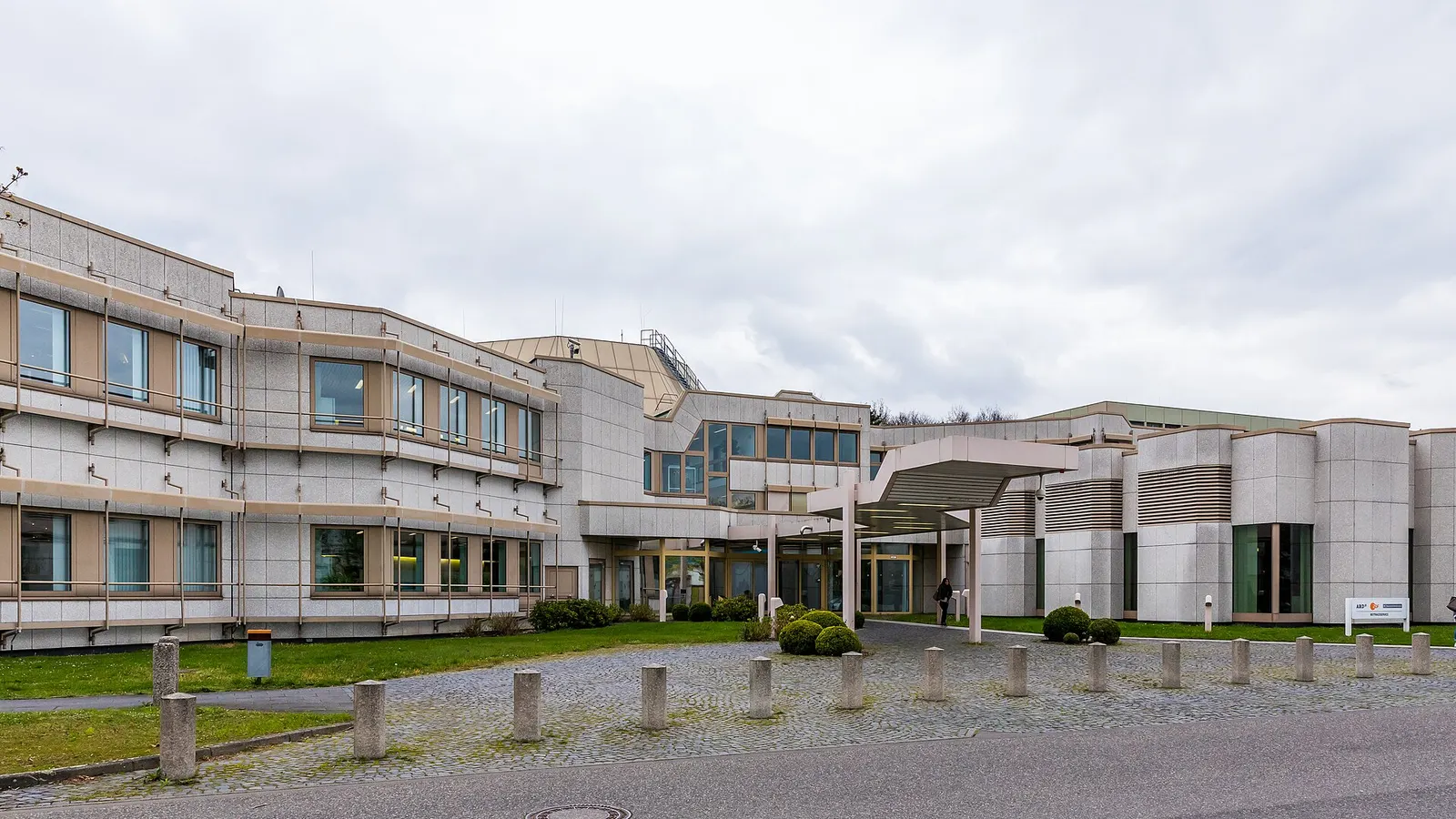
- Broadcasting feeRundfunkbeitrag
- The statutory contribution that finances ARD, ZDF and Deutschlandradio, set by a treaty between the Länder. It is charged per dwelling, not per person or per device, and must be paid without a bill being sent.
- Contribution serviceBeitragsservice
- The joint office of the public broadcasters that registers payers, collects the fee and decides on exemptions. It is the sender of all the letters, and the only place to register, change your details or deregister.
- DwellingWohnung
- For the fee, a fixed, self-contained unit for living or sleeping with its own entrance that is not reached only through another dwelling. A shared flat is one dwelling; a hall room off a public corridor is a dwelling of its own.
Who pays, and how much
| Your situation | Do you pay? | Amount |
|---|---|---|
| Your own flat | Yes, register the flat | €18.36 per month |
| Shared flat (WG) | One adult registers and pays for the whole flat; flatmates who are already registered can deregister | €18.36 per month per flat, for example €6.12 per month each among three |
| Hall room opening onto a generally accessible corridor | Yes, every room counts as a dwelling, even with its own bathroom or kitchen | €18.36 per month per room |
| Hall rooms behind a shared apartment door, used like a WG | One resident registers, as in any WG | €18.36 per month per apartment, shared |
| Living with parents who already pay | No registration needed | — |
The hall rule surprises many students. A room in a Studierendenwerk hall that opens onto a corridor anyone in the building can use is treated as a dwelling of its own, so each resident pays the full fee. Rooms grouped behind their own apartment door and shared like a WG are one dwelling, and the residents can split one fee. Ask your hall which type you live in. In a WG, who registers is your decision: the law needs one adult per dwelling, and how you divide the cost is a private arrangement. Shared flats are covered in living in a shared flat.
Who can be exempted
Exemptions are narrow and only on application. Students who receive BAföG and do not live with their parents can apply. The exemption extends to a spouse or registered partner, but not to other flatmates. Erasmus students and other scholarship holders are generally liable. Students excluded from BAföG can be exempted only as a special hardship case, for example after a change of subject or once the maximum funding period is over, and only if they are in need.
A reduced fee exists only for certain people with disabilities. Applications for an exemption or a reduction are filled in online, printed, signed and sent to the Beitragsservice with the supporting documents. Since BAföG eligibility for non-EU students is limited, the exemption route matters mainly to students who have lived in Germany for years; see BAföG for international students.
How the Beitragsservice finds you
When you register your address at the Bürgeramt, the registration office passes your name, date of birth, address and moving-in date to the Beitragsservice. A nationwide data comparison also runs at intervals. The Beitragsservice cannot see who lives together, so it writes to every adult it cannot match to an existing account and asks whether a fee is due. Answer this letter. If you do not respond, the Beitragsservice will in principle register you automatically, backdated to the date you moved in. If a flatmate already pays for the flat, tell the Beitragsservice so, and you have nothing to pay. Registering your address is explained in the Anmeldung guide.
- Contribution numberBeitragsnummer
- The nine-digit number of a contribution account. You find it on the registration confirmation, on payment requests, on your bank statement and at the top right of every letter. Flatmates who are not registered quote the payer's number to show that the flat is covered.
Paying: rhythm, method, reference
| Rhythm | Amount | When |
|---|---|---|
| Statutory rhythm | €55.08 per quarter | In the middle of each three-month period |
| Quarterly in advance | €55.08 per quarter | On the first day of each quarter |
| Half-yearly in advance | €110.16 per half-year | On the first day of each half-year |
| Yearly in advance | €220.32 per year | On the first day of the year |
- No monthly payments. The fee is collected for three, six or twelve months at a time.
- Cashless only. You pay by transfer or direct debit. Cash is allowed only for people who prove they cannot get a current account, with refusal letters from two banks stating that a basic account is impossible; see opening a bank account.
- Direct debit is simplest. With a SEPA direct debit you receive no payment requests and cannot miss a due date; if you pay by transfer, the Beitragsservice writes to you with the amount and due date.
- Always quote the contribution number. It is the only way a payment reaches the right account. Banking apps can read the QR code on the printed payment slip.
If you pay late
The fee must be paid within 4 weeks of the due date, and the Beitragsservice does not have to remind you. If arrears build up, it issues a Festsetzungsbescheid, an assessment notice that adds a late-payment surcharge of 1% of the arrears, at least €8. You can lodge an objection within 1 month of notification; under Land law a notice counts as received on the fourth day after posting. Good grounds include that you were not liable for the period, had an exemption, or had already paid for the dwelling. An unchallenged notice becomes final and enforceable, and later reminders add fees set by each Land. If you cannot pay the arrears at once, the Beitragsservice offers instalment plans and, in hardship, a deferral.
In practice: the fee in a shared flat
Find out whether the flat already has a payer
Ask your flatmates on moving in. If someone pays, note their contribution number.
Answer the letter when it comes
If a flatmate pays, reply that the dwelling is already covered and give the number. If nobody pays, one person registers online.
Agree how to split it
Divide the three-monthly payment of €55.08 per quarter among the flatmates, for example with the rent.
Hand over when the payer moves out
The fee follows the dwelling, so when the registered flatmate leaves, someone who stays must register. Otherwise the remaining residents will receive letters.
Typical student situations
- A hall room off a public corridor: you are the payer for that room. Register it yourself; the fee is not part of the hall rent.
- A WG where nobody is registered yet: one of you registers, and everyone else answers any letter with that contribution number.
- Living with your parents in Germany: if they already pay for the home, you do not need to register.
- A semester abroad: whether you stay liable depends on how long you are away and how the flat is used in the meantime, so ask the Beitragsservice before you deregister.
- Receiving BAföG: apply for the exemption as soon as you have the BAföG notice. An exemption applies only to the periods for which it is granted, and arrears for any other period remain due.
The fee in your first-year budget
The fee is small next to rent, but it is one of the few costs that depends directly on how you live. A single room in a hall of residence that opens onto a public corridor carries the full fee for one person, while in a shared flat one payment covers the whole dwelling and can be split. When you compare offers, add the fee to the rent of a hall room, and to a WG room only as your share. The city comparison shows how much rent itself varies; the fee is the same everywhere in Germany.
| Set-up | Who pays | Your cost |
|---|---|---|
| Hall room off a public corridor | You, for your room | €18.36 per month (€220.32 per year) |
| Shared flat with three people | One registered flatmate, shared internally | About €6.12 per month as one third (illustration) |
| Flat with parents who already pay | Your parents | Nothing |
| Receiving BAföG with an exemption | Nobody, for the exempted periods | Nothing for those periods |
Because the first letter follows your address registration, plan the fee into your first month rather than discovering it later. Paying by direct debit from your German account avoids missed quarters; if you pay by transfer, always use your contribution number as the reference. Agree in writing in the WG who is registered and how the share is paid, because only the registered person receives the reminders.
Moving within Germany or leaving
If you already pay and move to a new flat, change your address with the online form for changing data rather than registering again. If your new flat already has a payer, you can deregister. When you leave Germany, deregister with your contribution number and attach proof, such as your deregistration certificate from the registration office. The Beitragsservice refunds any credit on its own initiative once the account is closed. For the address deregistration itself, see registering and deregistering your address.
The amount is set by treaty and was €18.36 per month on rundfunkbeitrag.de on 30 October 2026. The independent fee commission (KEF) has recommended €18.64 per month from January 2027, but the Länder must still enact that by treaty, so check rundfunkbeitrag.de in January 2027. For the fee in context with rent and other monthly costs, see the monthly cost of living and hidden costs of studying in Germany.
Frequently asked questions
Do students have to pay the Rundfunkbeitrag?
Yes, if they live in a dwelling for which nobody else pays. It is €18.36 per month per dwelling, so in a shared flat one person pays for all, while a hall room off a public corridor pays in full. Only BAföG recipients living away from their parents, and some hardship cases, can be exempted on application.
How do flatmates share the broadcasting fee?
One adult registers the flat and pays €55.08 per quarter. The others do not register, or deregister if they already have, quoting the payer's contribution number. How the cost is split is up to the flatmates; among three it comes to €6.12 per month each.
Who is exempt from the Rundfunkbeitrag?
BAföG recipients who do not live with their parents can be exempted on application, together with a spouse or registered partner but not other flatmates. International students who proved their means for a residence permit are generally not eligible for a hardship exemption, and Erasmus students and other scholarship holders are generally liable.
I ignored the Beitragsservice's letters. What happens now?
If you do not respond, the Beitragsservice can register you automatically, backdated to the date you moved in, and later issue an assessment notice with a surcharge of 1%, at least €8. Reply now: if a flatmate already pays, say so; otherwise register and pay the arrears. Against an assessment notice you have 1 month to object.
Can I pay the Rundfunkbeitrag monthly?
No. The statutory rhythm is €55.08 per quarter in the middle of each three-month period; you can also pay quarterly, half-yearly or yearly in advance. A direct debit is the easiest way not to miss a payment.
What do I do with the Rundfunkbeitrag when I leave Germany?
Deregister with your contribution number and attach proof of moving out, such as your deregistration certificate. If you paid in advance, the Beitragsservice refunds the credit once it has closed the account.
Is the Rundfunkbeitrag included in my hall of residence rent?
Usually not. A hall room that opens onto a public corridor counts as its own dwelling, so you register it and pay the fee yourself on top of the rent. In a shared flat inside a hall, where several rooms share one front door, one payment can cover the flat. Check your rental contract and the halls of residence guide.
Sources
4 sources, 3 official
- Informationen für StudierendeARD ZDF Deutschlandradio Beitragsservice (rundfunkbeitrag.de) (Official)
- Zahlung des RundfunkbeitragsARD ZDF Deutschlandradio Beitragsservice (rundfunkbeitrag.de) (Official)
- Informationen zum MeldedatenabgleichARD ZDF Deutschlandradio Beitragsservice (rundfunkbeitrag.de) (Official)
- Kommission empfiehlt Rundfunkbeitrag von 18,64 Euro ab 2027ZDF heute (Institutional)