Almost nothing below is law. Austria has no official etiquette code, so these are habits people tend to follow rather than rules anyone can enforce, and they shift between Vienna and a Tyrolean village, between students and civil servants, and between older and younger people. Read this page as guidance for avoiding friction in your first months, not as a script. The short version sits in the daily-life overview; this page goes further.
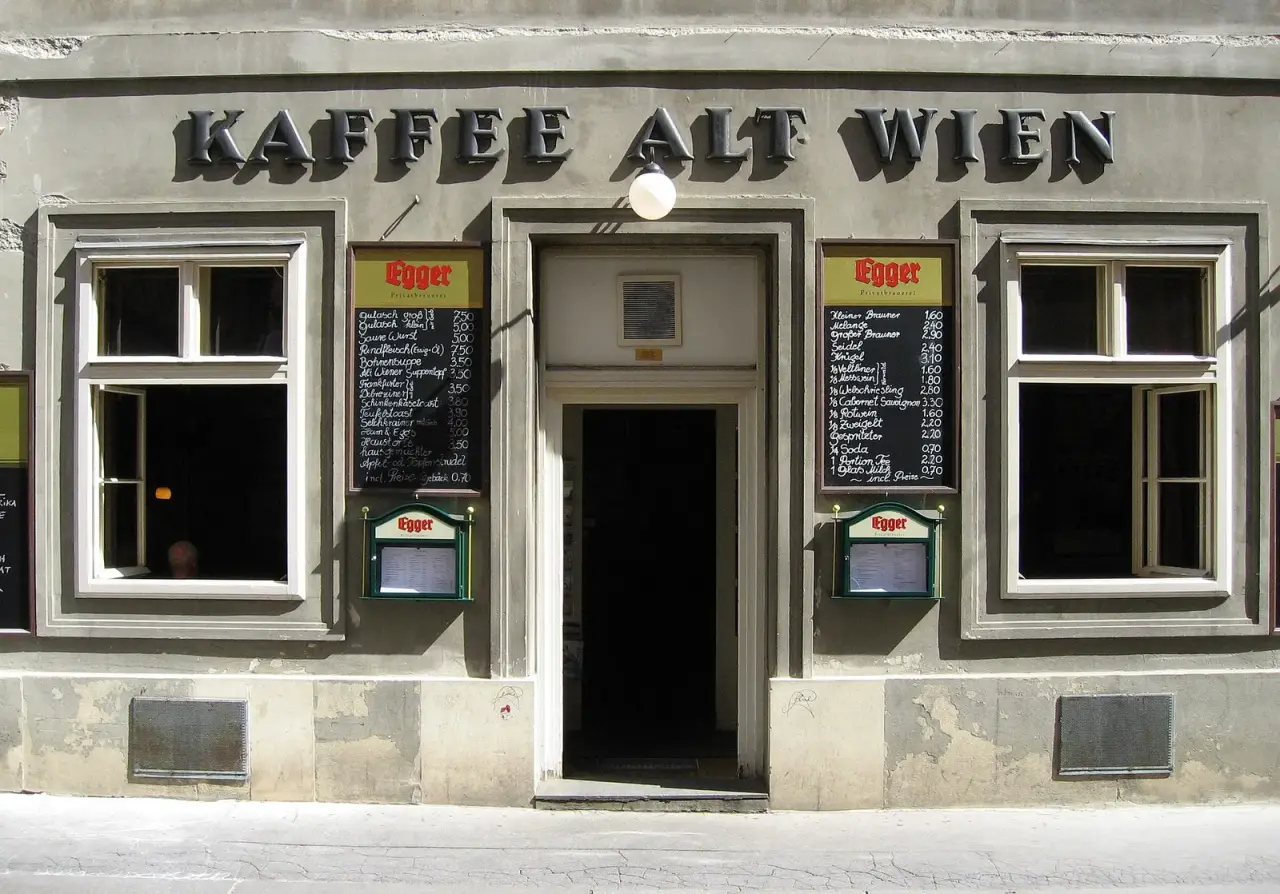
Custom or law: what actually binds you
Mixing the two up is the commonest mistake. A broken custom costs you goodwill; a broken rule can cost you money.
| Everyday expectation | Custom or rule? | What binds you |
|---|---|---|
| Formal Sie with strangers | Custom | Nothing official; it shapes the impression you make |
| Quiet at night | Lease and Land law | Your Hausordnung sets the hours; Land law punishes improperly disturbing noise at any hour |
| No smoking inside restaurants and bars | Law | Gastronomy has been smoke-free since 1 November 2019; outdoor areas are exempt |
| Shops shut on Sundays | Law | See the Sunday closures guide |
| Sorting rubbish | House and municipal rules | See recycling and Pfand |
| Tipping | Custom | Voluntary; no official rate exists |
| Punctuality | Custom | At work, your contract and employer set the real standard |
Greetings and forms of address
- Grüß Gott / ServusGrüß Gott / Servus
- Everyday Austrian greetings. Grüß Gott and the plainer Guten Tag are the polite default; Servus is relaxed and serves for both hello and goodbye among friends and colleagues. Which one you hear depends on region, age and setting. None is compulsory and a plain "Hallo" is understood everywhere.
In practice, greet aloud when you enter a small shop, a waiting room, a doctor's reception or a shared lift, and say goodbye on the way out; silence tends to read as cold rather than shy. In formal first meetings a handshake with eye contact is normal, while students greeting students rarely bother. Academic titles also matter more than many newcomers expect: in formal settings people often address each other as Frau Doktor, Herr Magister or Herr Professor, and the safest habit is to copy the title exactly as it appears in the person's email signature.
- Sie / duSie / du
- German's formal and informal "you". Sie (always capitalised in writing) is the default with anyone you do not know; du is for friends, family, children and, in practice, most fellow students. The older or more senior person normally proposes the switch, often with something like "Wir können uns gerne duzen".
Use Sie with lecturers, officials, your landlord, doctors and bank staff, and write to them as "Sehr geehrte Frau Professor …". Among students and in most student societies du is common from the first conversation. Workplaces vary: some young companies are du from day one, others stay formal for years, so follow what your colleagues do. If you are unsure, start with Sie. Being offered du is a small mark of acceptance, and answering in kind is the expected reply.
Punctuality and time
Time is taken fairly literally. The part people notice is not a minute's delay but a delay with no warning, so a quick message or call ahead goes a long way. The table gives guidance by situation; it is not a rulebook.
| Situation | Guidance |
|---|---|
| Lectures and seminars | Check the course listing. Some entries were historically marked c.t. (cum tempore) and started a quarter-hour late; unmarked ones start at the listed time. The University of Vienna's own 2018 blog post says the marking had become rare because better room planning removed the need for the buffer, so assume the listed time unless the entry says otherwise. |
| Doctor, office, bank, flat viewing | Arrive a few minutes early and phone or message ahead if you will be late. |
| Job interviews and work | Be on time or slightly early; your contract and employer set the actual standard. |
| Invitations to someone's home | Aim for within a few minutes of the agreed time; if you are unsure how strict the host is, ask. |
| Parties and student gatherings | Looser, but a rough time is still usually given; ask the host. |
Quiet hours and neighbours
- RuhezeitRuhezeit
- Quiet hours. There is no statutory Ruhezeit in Austria, and the federal government's own guidance says there is no absolute night rest from 22:00 to 06:00. What binds you is your lease and the building's Hausordnung (Vienna's municipal landlord uses 22:00–06:00), plus Land law against improperly disturbing noise.
That Land-level offence applies at any hour, is judged case by case and, in Vienna, carries a fine of up to €700; other Länder legislate their own. The federal guidance adds that a stricter standard applies at night and on Sundays and public holidays, and that municipalities may regulate times for noisy activities such as lawn-mowing. In practice that means: read the Hausordnung for Sunday and holiday rules before drilling or running a loud washing machine, and warn neighbours before a party rather than after the first complaint.
In your first week in a new building
- Read the Hausordnung for quiet hours, laundry-room slots and shared-area rules.
- Say hello to the neighbours you pass; a short introduction on the stairs is normal.
- Learn which bin or bag takes which waste, as set out in the recycling guide.
- Keep stairwells and shared corridors clear of bikes and shoes unless the rules allow it.
- Tell neighbours beforehand about a party or a noisy day, and keep it to a sensible hour.
In practice: when noise is the problem
The Federal Chancellery's page on neighbour disturbances (oesterreich.gv.at, updated 9 January 2026) sets out an order of steps that works the same way whether you are the neighbour complaining or the one being complained about.
Talk first
The official recommendation is to speak to the neighbour directly before anything else; the page says many conflicts are resolved that way, and it means a direct conversation (das direkte Gespräch).
If that fails, report it to the authorities
A complaint can go to the police, the Bezirkshauptmannschaft or Magistrat, or the Gemeindeamt, because disturbing noise can be an administrative offence. Whether it is disturbing and improper is judged case by case, normally on the spot by the police, with a stricter standard at night and on Sundays and public holidays.
Or go the civil route
A neighbour's noise can also be banned in a civil action if it exceeds the locally customary level and substantially impairs the customary use of your property. The standard depends on local circumstances and the individual case; advice from your ÖH or a tenants' advice service may help before you start.
Check the local rules for noisy jobs
Municipalities may set times for noisy activities such as lawn-mowing. oesterreich.gv.at lists many of them by Land.
If you are the one making the noise, the same page gives you the test: nobody may cause disturbing noise in an improper manner at any hour, and a Hausordnung that sets quiet hours is a tenancy rule that sits on top of that, not a replacement. For emergencies and police contacts, see the safety guide.
In practice: the Hausordnung and the laundry room
Your Hausordnung (house rules) is part of your lease. Vienna's municipal landlord, Wiener Wohnen, publishes its rules, which makes them a useful example of what to expect; they bind only its own tenants, and a private landlord or student residence has its own, so ask for yours in writing.
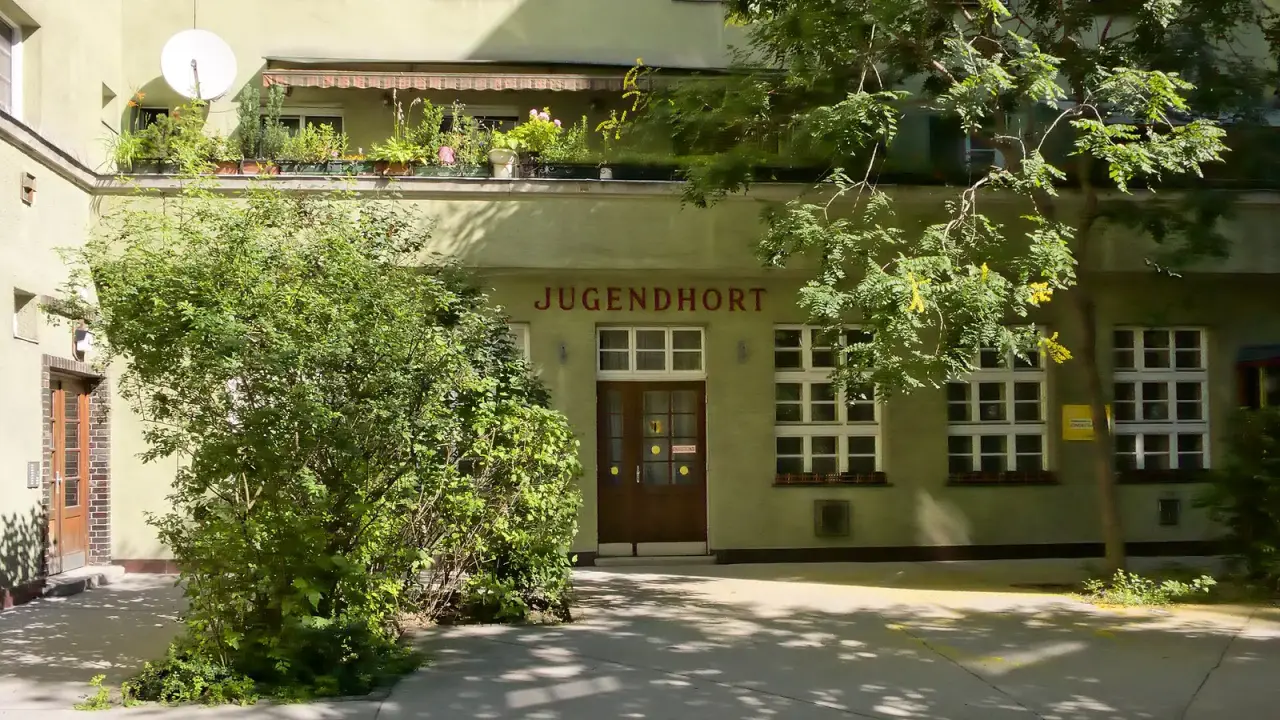
What Wiener Wohnen's house rules say
- Quiet hours run 22:00–06:00 on all seven days; normal living noise is not improper noise.
- The stairwell is the fire escape: no play, no storage, and no bags of rubbish or bulky waste in it. Bulky waste goes to a Mistplatz, see the recycling guide.
- No smoking or open fire in lifts, stairwells, corridors, garages or the cellar.
- Shared rooms such as hobby rooms and communal terraces may be used 08:00–20:00 unless the residents agree otherwise.
- The main tenant is liable for breaches by flatmates and by visitors, so brief your guests.
The laundry room is where house rules are most concrete. In Wiener Wohnen's buildings it is open Monday to Saturday, 06:00–20:00; closed on Sundays and public holidays, and each flat's tenants may use it for one half day (seven hours) per month, either 06:00–13:00 or 13:00–20:00. A booking is made by phone through its access system, and the Wiener Wohnen Service-Karte opens the door; where there is no such system the caretaker tells you when and how. Children under 14 may enter only with an adult, and animals are not allowed.
Book your slot
Reserve by phone, or ask the caretaker in a building without the access system. If you cannot make your slot, you can get a new one.
Keep the door shut and the noise down
The rules ask you to close the door while washing and to avoid unnecessary noise.
Take your waste with you
Bottles, packaging and other waste must be taken away, and eating, smoking and open fire are not allowed in the room.
Leave it clean
Leave the room and machines tidy. Do not spray water on technical equipment, and use no harsh, acidic or sandy cleaners; wipe the outside of machines with a damp, clean cloth.
Shut down before you go
Close the taps, switch off the machines, turn off the gas main, remove the lint from the dryer and switch off the light.
Queueing, transport and public spaces
Queueing is taken seriously. At a bakery counter or a bus stop people generally wait their turn, and where a ticket machine hands out numbers, as in many offices, you take one. On public transport let passengers off first, and on city escalators the usual habit is to stand on the right and leave the left free. Smoking is the one place where custom has turned into hard law: it is banned inside restaurants and bars, e-cigarettes and shisha included, and the Sozialministerium also lists a ban in enclosed public transport and taxis. The ban on bar and restaurant interiors does not reach outdoor areas.

Small talk, directness and eating out
Small talk is expected before business and is usually about the weather, the weekend, food or how you find the city. Many people find Austrians reserved at first and direct about practical matters, often both at once; treat that as a tendency, not a trait of every person, and do not over-read a brief first conversation. Humour is often dry, so bluntness is rarely hostility. Dialect is strong in places, and the German-language guide explains how much standard German will carry you.
- TrinkgeldTrinkgeld
- Tipping. Voluntary and unregulated: nothing is added automatically and no official body publishes a rate. The usual habit in restaurants, cafés and taxis is to round up, commonly by roughly 5 to 10 per cent, and to say the total you want to pay as you hand over the money or card, rather than leaving coins on the table.
In restaurants you usually choose your own table unless a sign asks you to wait to be seated, and the bill does not arrive unprompted: ask for it with "Zahlen, bitte". The server will often ask whether you pay together or separately ("Zusammen oder getrennt?"), so decide before you ask. If you are invited to a home, a small gift such as flowers, sweets or wine is welcome, and it is easiest to look at what other guests do about shoes at the door.
Frequently asked questions
Do I have to say Grüß Gott?
No. Grüß Gott and Guten Tag are the polite default in shops, offices and with older people, and Servus is relaxed and common among friends and colleagues, but nothing requires any of them. A plain Hallo is understood everywhere. What matters is that you greet when you enter a small space and say goodbye when you leave.
When can I switch from Sie to du in Austria?
Wait for the other person to offer it, especially if they are older or more senior than you; the offer often sounds like "Wir können uns gerne duzen". Fellow students, student societies and many younger workplaces use du straight away. If you are unsure, start with Sie, which is never wrong.
Can a neighbour complain about noise before 22:00?
Yes. Austria has no statutory quiet hours, so 22:00 is only a typical house rule, and federal guidance says a stricter standard applies at night and on Sundays and public holidays. Land law makes improperly disturbing noise an administrative offence at any hour, judged case by case, so check your lease and Hausordnung.
Is it rude to arrive late to a lecture in Austria?
It is rarely unusual to arrive a minute or two late, but a habit of it reads as unreliable. Some course listings historically carried the mark c.t., meaning a quarter-hour later, but the University of Vienna's own 2018 blog post says the buffer is no longer needed, so assume the listed time unless the entry says otherwise.
How much should I tip in Austria?
Tipping is voluntary and no official rate exists. The usual habit in restaurants, cafés and taxis is to round up, commonly by roughly 5 to 10 per cent, and to state the total you want to pay when you hand over the money or card.
Can I smoke in an Austrian bar or restaurant?
Not indoors. Austrian gastronomy has been smoke-free since 1 November 2019 in all guest areas, including for e-cigarettes, heated tobacco and shisha, and the Sozialministerium states the ban applies even when a venue is closed. Outdoor areas are exempt.
Sources
7 sources, 6 official
- Lärm (Störungen durch Nachbarn)oesterreich.gv.at (Federal Chancellery) (Official)
- HausordnungWiener Wohnen (City of Vienna) (Official)
- WaschküchenordnungWiener Wohnen (City of Vienna) (Official)
- Wiener Landes-Sicherheitsgesetz (WLSG), Art. I § 1 — Anstandsverletzung und LärmerregungRIS (Rechtsinformationssystem des Bundes), Landesnormen Wien (Official)
- Nichtraucher:innenschutz und RauchverboteSozialministerium (Federal Ministry of Labour, Social Affairs, Health, Care and Consumer Protection) (Official)
- Nichtraucherschutz und Rauchverboteoesterreich.gv.at (Federal Chancellery) (Official)
- Es war einmal … Begriffe aus dem StudiumUniversität Wien (univie Blog, Studium) (Institutional)